
Try-On Haul Ads: How to Boost ROAS for Fashion & Beauty
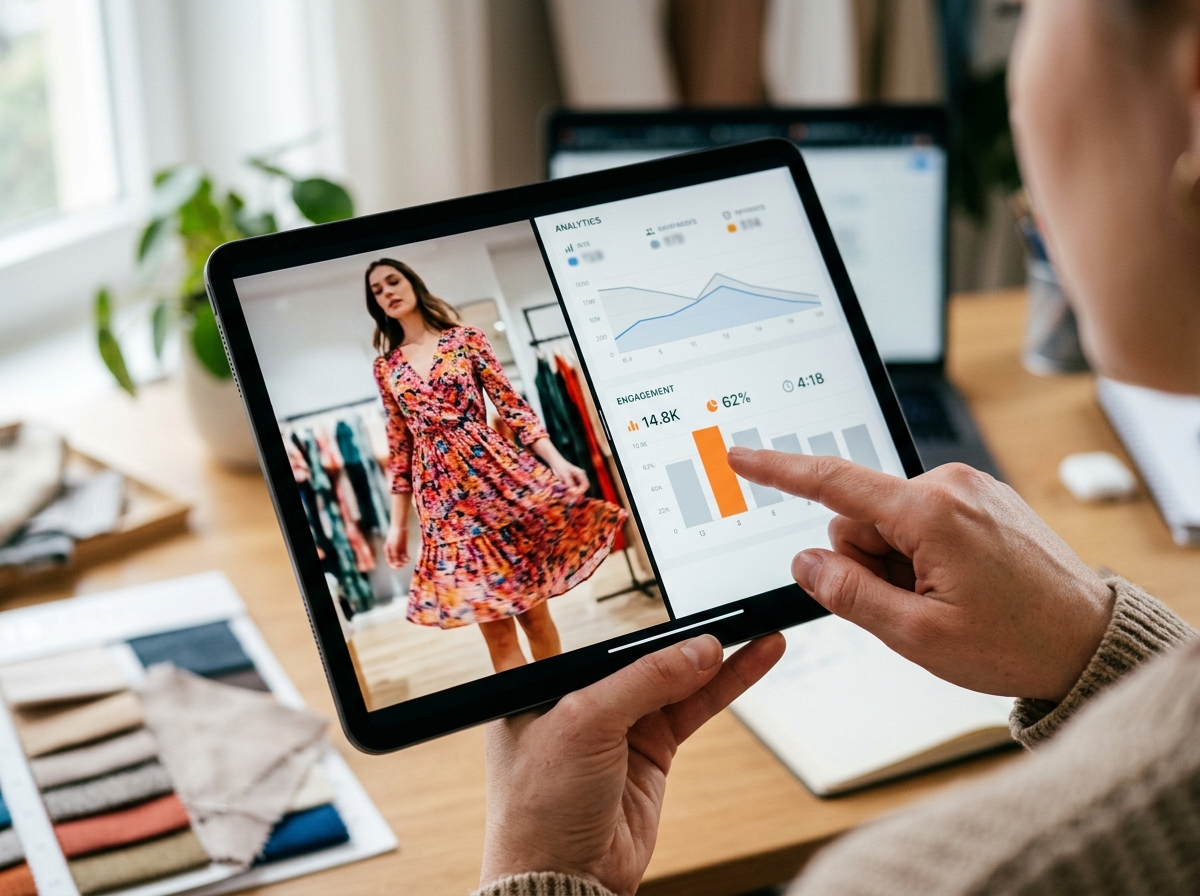
This article breaks down the key creative elements that drive performance in try-on haul ads for fashion and beauty brands. It provides a framework for testing and optimizing these ads to increase ROAS and avoid common mistakes.
- Identify the creative elements that make try-on haul ads convert.
- Learn how to test and optimize ad variations for higher ROAS.
- Understand common pitfalls to avoid in your campaigns.
- See how EngageReel helps automate creative optimization.
How do you turn popular try-on haul videos into high-performing paid ads? The solution lies in a disciplined approach to creative strategy and optimization, focusing on the specific elements that drive conversions, not just views.
Understanding Try-On Haul Ads and Their Appeal
A try-on haul ad is a form of video content where a creator (an influencer, customer, or model) showcases multiple products from a brand, trying them on and sharing their impressions. While native to platforms like YouTube and TikTok, these ads work for fashion and beauty because they replicate the in-store fitting room experience. According to a 2023 report from McKinsey, detailed product imagery and video are critical for online fashion shoppers, directly impacting their purchase decisions.
Unlike a standard product video, a try-on haul provides social proof, shows product fit and movement, and allows for authentic storytelling. This format builds trust and helps customers visualize themselves using the products, which is a powerful conversion driver.
Which Creative Elements Make a Try-On Haul Ad Convert?
Not all try-on hauls are created equal in a paid media context. The highest-performing ads master several key creative elements that work together to capture attention and drive action.
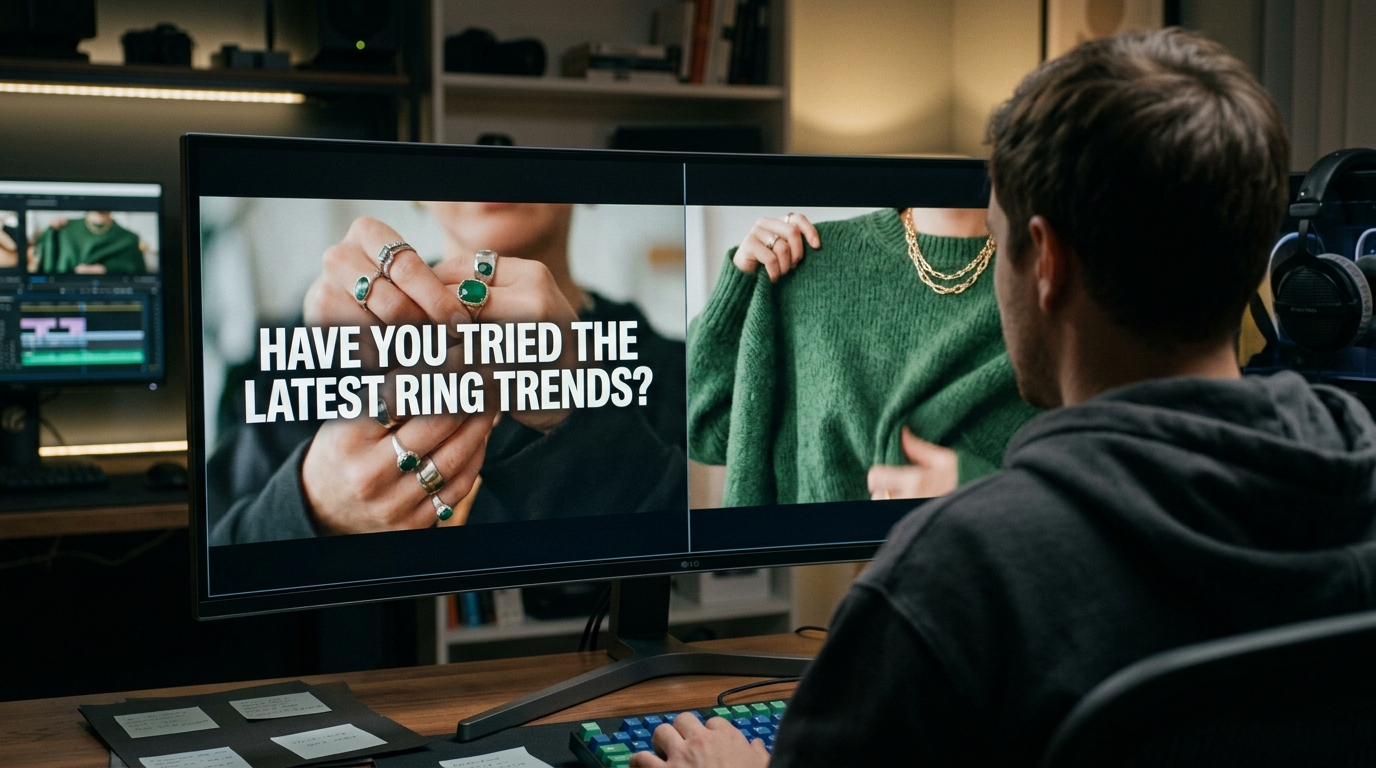
- The Hook: The first 3 seconds are crucial. A strong hook can be a question, a bold statement, or a dynamic visual that stops the scroll. For example, "I spent $500 on [Brand], was it worth it?"
- Creator Authenticity: The creator's delivery and genuine enthusiasm (or critique) are vital. Audiences can spot inauthenticity, so the creator must align with the brand's target demographic.
- Pacing and Edits: Fast-paced, dynamic editing with quick cuts, text overlays, and engaging music keeps viewers' attention. The pacing should feel native to the platform where the ad is running.
- Clear Product Focus: While the creator is the vehicle, the products are the star. Each item should be clearly shown, with on-screen text indicating the product name and size.
- A Strong Call-to-Action (CTA): The ad must explicitly tell the viewer what to do next, whether it's "Shop the collection" or "Get my look." The CTA should be both verbal and a visual text overlay.
How Can Fashion Brands Test and Optimize Ad Variations?
Systematic testing is the only way to reliably improve ROAS. Instead of guessing what works, brands should adopt a creative testing framework to identify winning elements and iterate on them.
- Isolate Variables: Test one element at a time. For example, use the same video but test two different hooks. Or, use the same hook and creator but test different background music or CTAs.
- Test Multiple Concepts: Run 3-5 different creative concepts simultaneously to see which angle resonates most with your audience. This could be comparing a "get ready with me" style video to a classic haul format.
- Analyze Platform-Specific Metrics: Go beyond ROAS. Look at metrics like hook rate (3-second video views / impressions) and hold rate (thruplays / impressions) to understand where viewers are dropping off.
- Scale the Winners: Once you've identified a winning combination of creative elements, allocate more budget to it and use it as a template for future ad creation.
| Test Element | Variation A | Variation B | Metric to Watch |
|---|---|---|---|
| Hook (First 3s) | Question Overlay | Product Close-up | Hook Rate |
| Creator | Micro-influencer | In-house Model | CTR, CPA |
| CTA | "Shop Now" Button | "Swipe Up to See" | CTR |
Why Do Some Try-On Haul Ads Fail?
Many brands transitioning from organic content to paid ads make similar, avoidable mistakes that harm their ROAS.
- Being Too "Salesy": The ad should feel like authentic content, not a traditional commercial. Hard-selling language or overly polished production can alienate viewers.
- Ignoring the Platform Context: An ad that works on TikTok may not perform on Instagram Stories or YouTube Shorts. Each platform has its own set of best practices for video format and style.
- Lack of Clear Branding: While the ad should feel authentic, the brand should be clearly identifiable within the first few seconds, either through a subtle logo, on-screen text, or the creator mentioning the brand name.
- Not Optimizing for Mobile: The vast majority of social media users are on mobile devices. Ensure your video is shot vertically (9:16) and any text overlays are large and easy to read on a small screen.
Leveraging EngageReel for Creative Intelligence
For fashion and beauty brands, manually testing every creative variable in a try-on haul ad is a significant challenge. The EngageReel platform automates this process. It identifies the winning elements from your existing ads—from hooks to models to backgrounds—and helps you create new, high-performing variations. This data-driven approach removes the guesswork, allowing you to scale your creative efforts and maximize ROAS. Visit EngageReel to learn more.
Frequently asked questions
How long should a try-on haul ad be?
For platforms like TikTok and Instagram Reels, aim for 15-30 seconds. The ad should be long enough to showcase a few key products but short enough to maintain viewer attention until the CTA. According to data from HubSpot, the ideal length for Instagram Reels is under 60 seconds.
Should I use influencers or in-house models for try-on haul ads?
Both can be effective. Influencers bring authenticity and a built-in audience. In-house models (or even employees) can be more cost-effective and give you greater creative control. It's best to test both to see what resonates with your target audience.
What's the best platform for try-on haul ads?
Video-first platforms like TikTok, Instagram (Reels), and YouTube (Shorts) are the natural home for try-on haul ads. The best platform for you will depend on where your target audience spends most of their time.
How do I measure the success of a try-on haul ad?
The primary metric for success is Return on Ad Spend (ROAS). However, you should also track secondary metrics like Click-Through Rate (CTR), Cost Per Purchase (CPP), and video engagement rates to get a complete picture of performance.
Can try-on hauls work for beauty products?
Absolutely. For beauty, the concept is the same: show multiple products in use. This could be a "full face of [Brand]" video, or showcasing a new skincare line. The key is demonstrating the products' application and results.