
Lead Generation Advertising for Fashion Ecommerce: The Ultimate Guide
Lead generation advertising is the engine that drives sustainable growth for modern fashion brands. By converting anonymous traffic into owned contacts, ecommerce marketers can reduce reliance on paid social platforms and build a predictable revenue stream. This guide covers the essential strategies for establishing a profitable lead generation loop.
How to Build Your Lead Generation Strategy
Building a robust strategy requires understanding exactly who you are targeting and what value you offer in exchange for their contact information. A successful lead generation business model for fashion goes beyond generic newsletters.
In the highly competitive world of apparel and accessories, a simple subscribe for updates prompt is rarely enough to drive meaningful conversions. Instead, you must offer immediate, tangible value. This often takes the form of gated content, exclusive discounts, or early access to new collections. The goal of company lead generation in this sector is to make the exchange of information feel like a significant win for the consumer.
To start, analyze your customer journey. Identify the key touchpoints where visitors are most engaged but might not be ready to purchase. These are prime opportunities for lead capture. For instance, someone browsing a high-ticket item might hesitate due to price; offering a 10% discount in exchange for an email address can capture that lead and facilitate a future sale.
Furthermore, segmentation is critical from the very beginning. When capturing leads, ask for minimal but strategic information, such as style preferences or clothing sizes. This allows you to personalize follow-up communications, dramatically increasing the chances of conversion down the line. Lead generation marketing is not just about quantity; it's about building a database of highly relevant and engaged potential customers.
Consider the timing of your lead capture mechanisms. Pop-ups that appear immediately upon entry can be disruptive and lead to high bounce rates. Instead, trigger forms based on scroll depth, time on site, or exit intent. This ensures that the user has demonstrated some level of interest before you ask for their information.
Ultimately, a successful lead generation strategy is a continuous process of testing and refinement. A/B test different offers, form designs, and copy to determine what resonates best with your specific audience. By constantly optimizing this initial interaction, you build a solid foundation for your overall marketing ecosystem.
How to Optimize Facebook Lead Generation Campaigns
Facebook lead generation is a powerhouse for fashion brands. The platform's visual nature combined with seamless, native lead forms makes it an ideal environment for capturing high-intent prospects quickly.
The primary advantage of native lead forms on platforms like Meta is the reduction in friction. Users don't have to leave the app or wait for a landing page to load; their contact information is often pre-filled, making the submission process effortless. This significantly lowers the Cost Per Lead (CPL) compared to directing traffic to an external landing page.
However, lower friction can sometimes result in lower intent. To combat this, introduce custom questions into your lead forms. While this adds a slight hurdle, it ensures that the leads you capture are genuinely interested in your brand. Ask a multiple-choice question about their favorite product category or shopping frequency. This not only qualifies the lead but also provides valuable data for immediate segmentation.
Creative excellence is non-negotiable. In the fashion industry, your ad creative must be aspirational yet relatable. Use high-quality imagery or short-form video to showcase your products in context. The ad copy should clearly communicate the value proposition of the lead magnet. Why should they give you their email? Make the benefit unmistakable.
- Identify your target audience demographics and psychographics.
- Create high-quality, visually appealing ad creative tailored to that audience.
- Develop a compelling lead magnet, such as a discount or exclusive style guide.
- Set up the native Facebook lead form with custom qualifying questions.
- Integrate the lead form directly with your CRM for immediate follow-up.
Audience targeting plays a crucial role in campaign performance. Start with lookalike audiences based on your most valuable existing customers-those with high lifetime value (LTV). As the algorithm learns, expand your targeting to broader audiences, relying on the ad creative itself to filter and attract the right demographic.
Integrating your lead ads directly with your CRM or email marketing platform is vital for speed to lead. The moment a user submits their information, they should receive an automated welcome email delivering the promised incentive. A delay in this process can severely diminish the lead's interest and the overall effectiveness of the campaign.
How to Automate the Nurture Sequence
Capturing the lead is only the first step; the real ROI comes from the nurture sequence. Automation ensures that every new contact receives timely, relevant, and persuasive communication without manual intervention.
The welcome series is arguably the most important automated flow in your marketing arsenal. It sets the tone for the entire relationship. The first email must deliver the promised incentive immediately. Subsequent emails should introduce the brand story, highlight best-selling products, and share user-generated content to build trust and social proof.
Personalization goes beyond using the subscriber's first name. Utilize the data collected during the lead capture process. If a lead indicated an interest in activewear, the nurture sequence should heavily feature that category. Dynamic content blocks in your emails can tailor the imagery and product recommendations based on individual preferences.
Timing and cadence are crucial. You want to stay top-of-mind without overwhelming the subscriber. A typical cadence might involve emails on days 1, 3, 5, and 10 following the initial capture. Monitor engagement metrics-open rates and click-through rates-to adjust this frequency. If engagement drops, increase the time between communications.
It's also important to seamlessly integrate SMS marketing into your nurture strategy, provided you have captured phone numbers and explicit consent. SMS is highly effective for time-sensitive offers or reminders about expiring discounts. However, it should be used sparingly and strategically compared to email.
By leveraging AI ad performance and creative for fashion eCommerce, you can continuously refine these sequences. Predictive analytics can determine the optimal time to send an email for each individual subscriber, maximizing open rates and subsequent conversions.
Finally, establish clear exit criteria for the nurture sequence. Once a lead makes a purchase, they should automatically be moved to a post-purchase flow focused on retention and loyalty, ensuring they don't receive irrelevant promotional messaging intended for first-time buyers.
How to Measure Lead Generation Advertising Performance
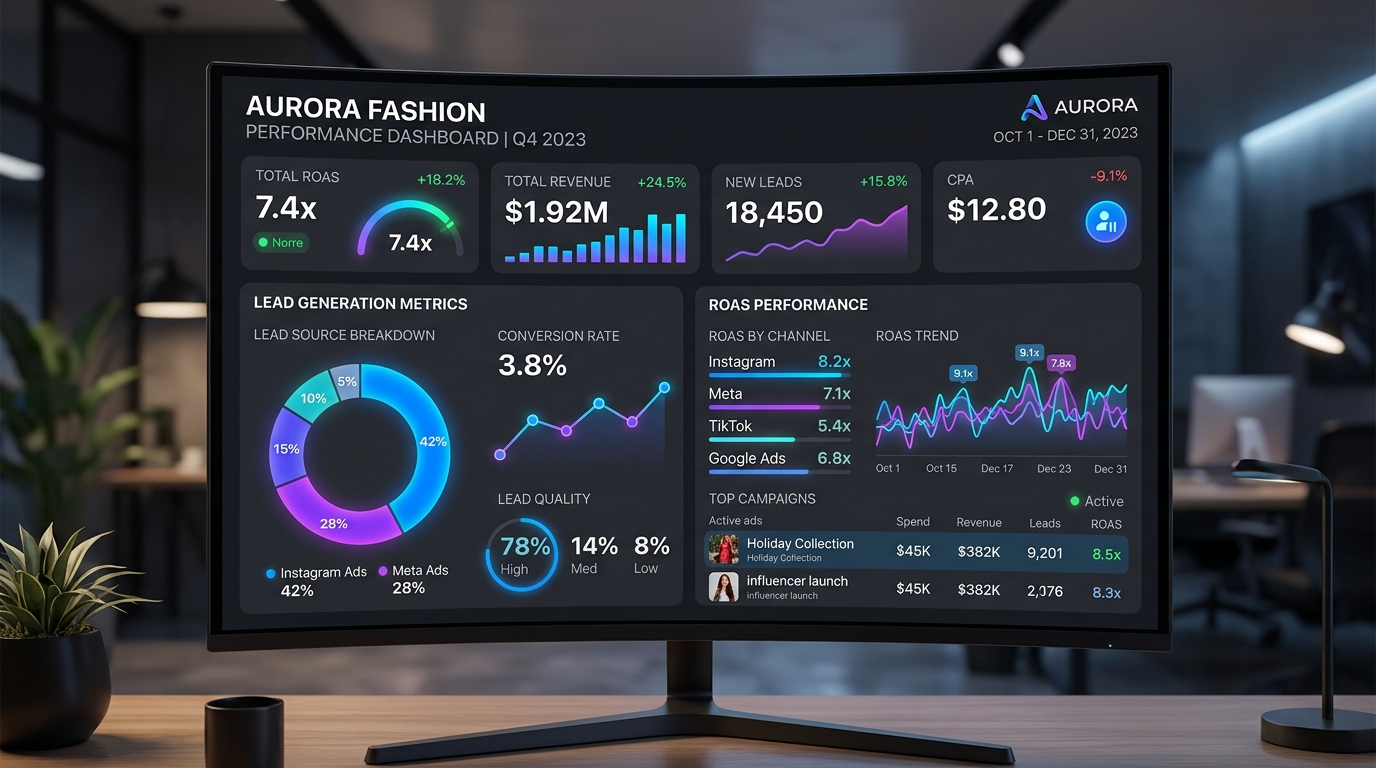
Accurate measurement is the cornerstone of any scalable lead generation advertising initiative. Without clear attribution and KPI tracking, it's impossible to know which campaigns are driving true business value. MetricDefinitionImportance for Fashion BrandsCost Per Lead (CPL)Total ad spend divided by the number of leads generated.Provides immediate feedback on ad efficiency and audience resonance.Customer Acquisition Cost (CAC)Total cost (ads + nurture) to acquire a paying customer.Determines overall profitability when compared to LTV.Return on Ad Spend (ROAS)Revenue generated divided by the ad spend to capture those leads.The ultimate measure of campaign success over a specific cohort timeframe. Cost Per Lead (CPL) is the most immediate metric to track, but it should never be viewed in isolation. A low CPL is meaningless if those leads never convert into paying customers. Therefore, CPL must always be analyzed in conjunction with the Lead-to-Customer Conversion Rate.
Customer Acquisition Cost (CAC) provides a more holistic view of profitability. CAC encompasses the total spend required to acquire a new customer, factoring in both the ad spend to capture the lead and any costs associated with the nurture process (e.g., the cost of the introductory discount). Keeping CAC below the Customer Lifetime Value (LTV) is essential for long-term viability.
Return on Ad Spend (ROAS) specific to lead generation campaigns can be complex to calculate due to the delayed conversion cycle. A lead captured today might not make a purchase for several weeks. Implementing cohort analysis allows you to track the revenue generated by a specific group of leads over time, providing a more accurate picture of campaign ROAS.
Attribution models also require careful consideration. In a multi-touch journey, giving 100% credit to the last click often undervalues the initial lead generation ad. Utilizing data-driven or position-based attribution models helps distribute credit more fairly across all touchpoints that contributed to the final sale.
Regularly auditing lead quality is just as important as tracking quantitative metrics. Monitor metrics like email hard bounce rates, unsubscribe rates, and zero-engagement subscribers. If a specific campaign is driving a high volume of low-quality leads, it needs to be paused and re-evaluated, regardless of how efficient the CPL appears.
How to Scale Lead Generation Operations
Once you have a profitable lead generation loop established, the focus shifts to scaling those operations without compromising efficiency or lead quality. This requires a systematic approach to budget expansion and audience testing.
Scaling vertically by simply increasing daily budgets on winning ad sets can often lead to diminishing returns and audience exhaustion. Instead, scale horizontally by introducing new creatives, testing new lookalike audiences, and expanding into new geographic markets. This spreads the budget across multiple opportunities, mitigating risk.
Creative fatigue is the enemy of scale. As you spend more, your audience sees your ads more frequently, leading to banner blindness and rising CPLs. Implement a rigorous creative testing framework to constantly introduce fresh concepts. This ensures you always have high-performing creatives ready to replace those that begin to fatigue.
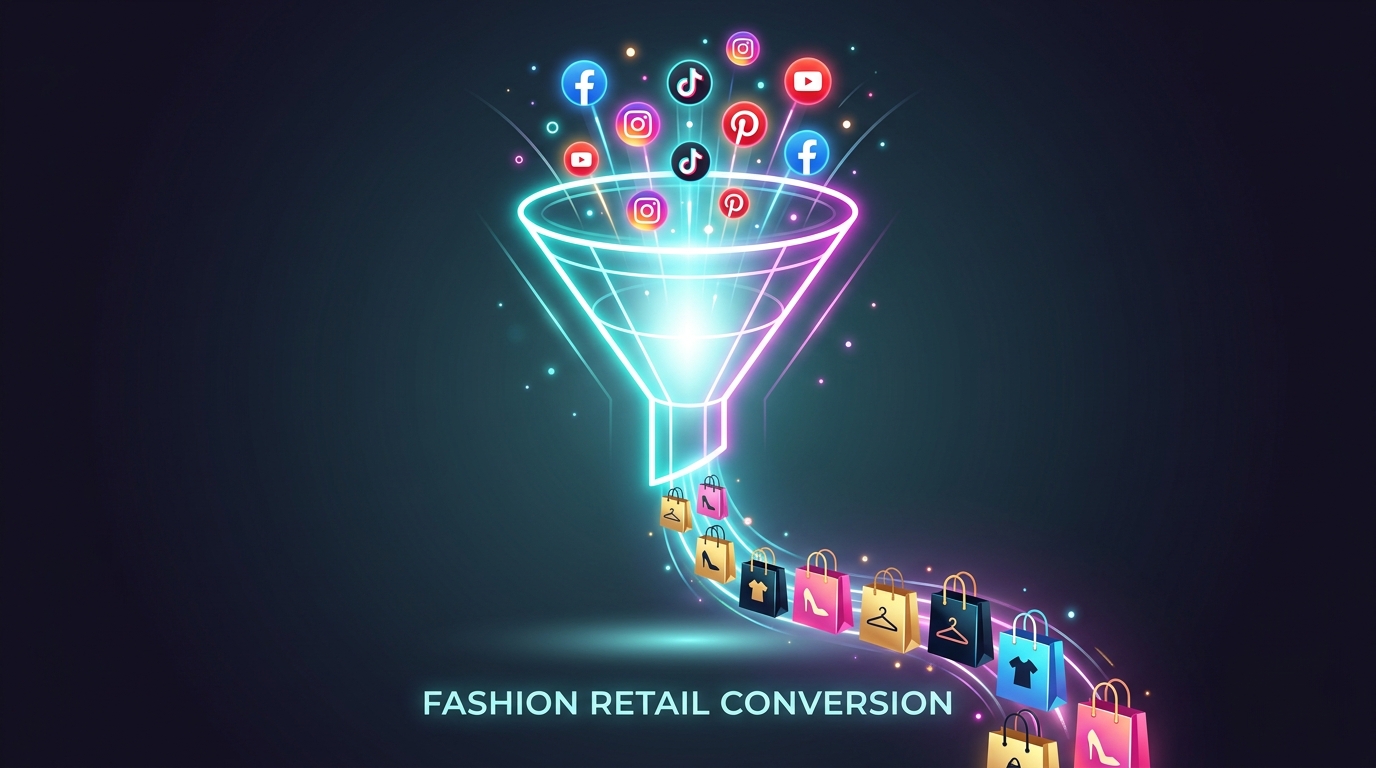
Diversifying your lead generation channels is another crucial aspect of scaling. While Facebook lead generation might be your primary driver, over-reliance on a single platform is risky. Explore opportunities on TikTok, Pinterest, or Google Search. Each platform reaches a different demographic and offers unique lead capture mechanisms.
As volume increases, the operational burden of managing leads also grows. Invest in robust CRM and marketing automation infrastructure capable of handling large datasets and complex segmentation rules without performance degradation. Manual processes must be entirely eliminated at scale.
Finally, continuously optimize the post-capture experience. A marginal increase in the Lead-to-Customer Conversion Rate has a massive impact on profitability at scale. A/B test your landing pages, refine your email copy, and ensure your website's checkout process is entirely frictionless.
References
- Meta Business Help Center, "Lead Generation Strategies," accessed Sep 2026.
- Digital Marketing Institute, "The State of Ecommerce Advertising 2026," published Jan 2026.
Frequently asked questions
How does lead generation marketing work for fashion brands?
It involves offering incentives like first-order discounts, early access to drops, or VIP styling guides in exchange for email and SMS contacts, allowing the brand to nurture them to conversion.
What is the best platform for fashion ecommerce lead generation?
Facebook lead generation remains highly effective due to visually engaging ad formats, broad reach, and seamless in-app forms that reduce friction.
How do you measure success in lead generation advertising?
Key metrics include Cost Per Lead (CPL), Lead-to-Customer Conversion Rate, Customer Acquisition Cost (CAC), and overall Return on Ad Spend (ROAS).