Fashion E-commerce Using Meta Ads: How to Maximize ROAS
Fashion e-commerce using Meta ads is one of the fastest ways to scale a clothing brand online, but only if your campaign structure and creative match how people actually shop for apparel. If you run a fashion store on Shopify or WooCommerce, you already watch return on ad spend closely. ROAS is the result. What moves it is how you set up Meta ads for your fashion brand, what video and image content you run, and whether that content fits where the shopper is in the buying journey.
A lot of clothing brands still run Facebook ad campaigns for fashion e-commerce like billboards. One static image, one audience, hope for the best. That usually caps out around 2x ROAS. Brands pulling 3x and above treat Meta ads as a weekly content system, not a one-off post.
Teams using AI ad performance and creative for fashion eCommerce consolidate creative testing, budget pacing, and cross-channel reporting so Meta campaigns improve without manual spreadsheet work.
How to structure Meta ads campaigns for fashion e-commerce
The fastest way to kill ROAS in a fashion account is running ten ad sets at $20 a day. None of them ever leave the learning phase. Meta's algorithm needs volume, roughly 50 purchases per week per ad set, before it can really optimize. So consolidation isn't cutting corners. It's giving the system enough data to find buyers who convert. For a mid-size apparel brand spending $3,000 to $10,000 a month, a clean setup looks like this. Run one prospecting campaign with Advantage+ Shopping or broad targeting and three to five video creatives. Optimize for purchases, not clicks. Run a separate retargeting campaign with dynamic product ads for site visitors and cart abandoners, plus one social proof video for warm audiences. Split budget around 70% prospecting and 30% retargeting. Only shift more into retargeting when prospecting CPA starts climbing, not before.
Best Meta ad formats for fashion brands at each funnel stage
Not every format works at every stage. This is where most fashion brands leak ROAS without realizing it. Cold traffic has never heard of you. They need a reason to stop scrolling. Vertical Reels and Stories video works best here. Show the garment on a real body. Walking, sitting, layering an outfit. Hook them in the first second with fabric movement or a styling change. Skip the white-background catalog shots in prospecting. They underperform in feed and Reels. Warm traffic has seen your brand but hasn't bought yet. This is where UGC try-on clips, customer reviews over product footage, and honest fit content earn trust. Carousel ads do well at this stage. Lifestyle on slide one, fabric detail on slide two, sizing or returns info on slide three. Hot traffic already viewed a product or left something in cart. Dynamic product ads with a live catalog sync are your best friend here. Pair them with a short reminder video showing the exact item they looked at. If stock is genuinely low, say so in the ad copy. Real urgency converts. Fake urgency just trains people to ignore you.
"E-commerce brands that consolidate campaign structure on Meta see about 32% higher ROAS than brands running dozens of narrow ad sets. More budget in fewer places means more creative tests that actually get enough spend to learn."
- Shopify E-commerce Benchmark Report, 2025
How often to refresh fashion ad creative on Meta
Fashion ad creative fatigues fast. Often within two weeks once you're spending real money. Plan for steady production, not one big quarterly shoot. Brands that scale on Meta ads ship three to five new video variants every week. Even 15-second clips count. Test hooks, not whole campaigns. Same video body, different opening two seconds. In Ads Manager, break performance down by individual ad, not just ad set. Cut anything below your breakeven ROAS after about 1,000 impressions. When something wins, duplicate it and increase budget within 48 hours. Wait too long and fatigue eats the margin.
Checklist before scaling fashion Meta ads spend
Make sure your pixel and Conversions API are firing purchase events cleanly. Check Events Manager if you're unsure. You want at least one video creative already above 2.5x ROAS at your current spend. Your product catalog should sync daily with correct stock and pricing. Landing pages need to load in under three seconds on mobile and show the same product as the ad. And exclude recent buyers from prospecting for 30 to 60 days. Paying to re-acquire someone who just purchased is one of the easiest ways to tank ROAS.
Wrapping up
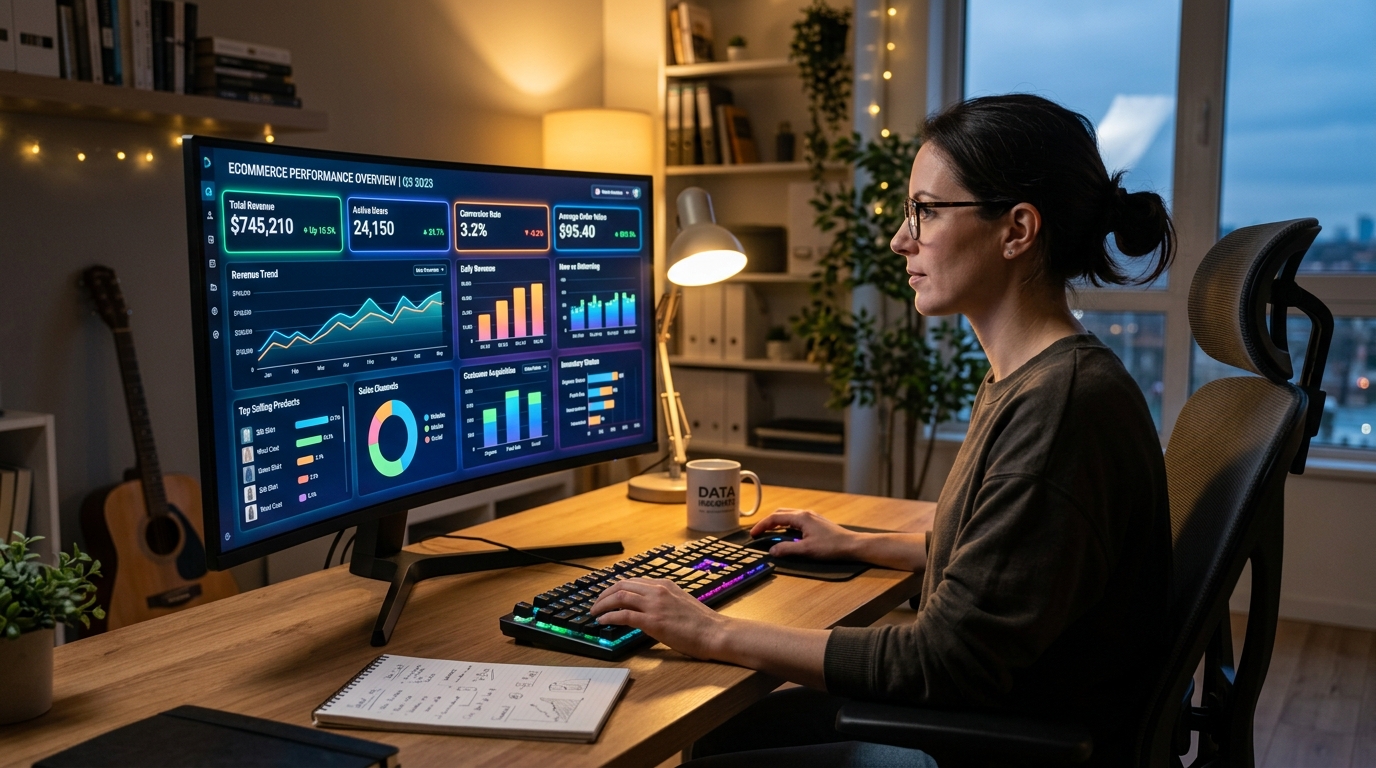
High ROAS in fashion e-commerce using Meta ads is really a content and structure problem. Consolidate campaigns so Meta can learn. Put the right ad format in front of the right shopper. Refresh creative every week. Measure at the ad level. Do that consistently and paid social becomes a channel you can actually forecast, not a monthly surprise on the P&L. For Fashion E-commerce Using Meta Ads: How to Maximize ROAS, track purchase ROAS, cost per purchase, and add-to-cart rate at the ad level-not only the campaign. Fashion accounts that review ad-level data twice weekly cut wasted spend faster because creative fatigue shows up in CPA before it appears in blended ROAS. Pair platform metrics with MER (total revenue divided by total ad spend) so iOS signal loss does not hide true profitability.
Pre-launch checklist for fashion e-commerce using meta ads
Before scaling fashion ecommerce meta ads, confirm your Meta Pixel and Conversions API both fire purchase events that match Shopify order volume within 10%. Exclude recent purchasers from prospecting for at least 30 days, load a minimum of three video variants per ad set, and set a frequency alert above 2.5 on cold audiences. Document your control creative so weekly tests have a clear baseline.
Budget split between prospecting and retention
Apparel brands in the $50K–$500K monthly revenue range typically allocate 70–80% of Meta budget to prospecting and 20–30% to retention. Raise the retention share during sale periods when cart abandoners spike, but avoid starving prospecting-new customer acquisition fuels long-term MER. Review the split weekly using blended ROAS, not platform-reported ROAS alone.
Reporting cadence for fashion performance marketers
Check spend pacing and CPA daily; review creative frequency and hook retention twice per week; run a full ad-level ROAS audit every Friday. Compare Meta purchase revenue to Shopify total revenue to calculate MER. When MER holds but platform ROAS drops, the issue is usually attribution signal-not true performance. Pair platform dashboards with a simple MER spreadsheet updated every Monday.
Frequently asked questions
How long before fashion e-commerce using meta ads campaigns stabilize on Meta?
Most fashion accounts need 50+ weekly purchase events before Meta exits the learning phase. Plan two to three weeks of stable spend before judging ROAS.
What budget should a fashion brand start with for Meta ads?
Start with enough daily budget to generate 7–10 purchases per ad set per week. For many apparel brands that means $100–$300 per day on prospecting.
When should you refresh creative for fashion Meta ads?
Refresh hooks or swap in new video variants when frequency exceeds 2.5 or CPA rises 20% week over week. Weekly creative tests are standard for scaling brands.