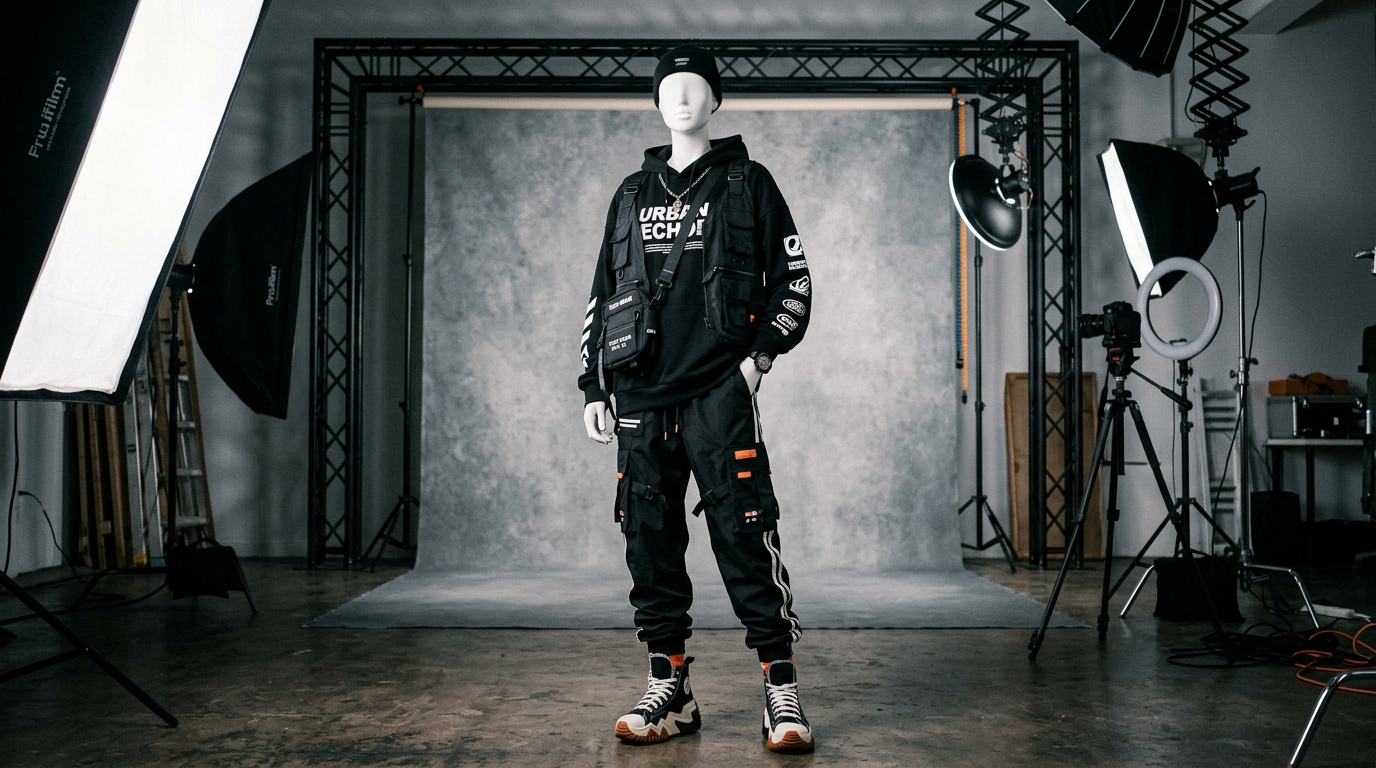
Garment Marketing on Meta Ads: Creative Testing for Fashion E-commerce
Garment marketing on Meta ads comes down to one thing for most fashion e-commerce brands: creative. Most clothing stores do not fail because of audience settings. They fail because they run the same three catalog images until performance flatlines. Brands that scale treat Facebook ads for apparel like product development. Test, read the data, keep winners, cut losers. In fashion e-commerce using Meta ads, your video and image content is effectively your targeting.
Teams using AI ad performance and creative for fashion eCommerce consolidate creative testing, budget pacing, and cross-channel reporting so Meta campaigns improve without manual spreadsheet work.
Why video Meta ads outperform static for garment marketing
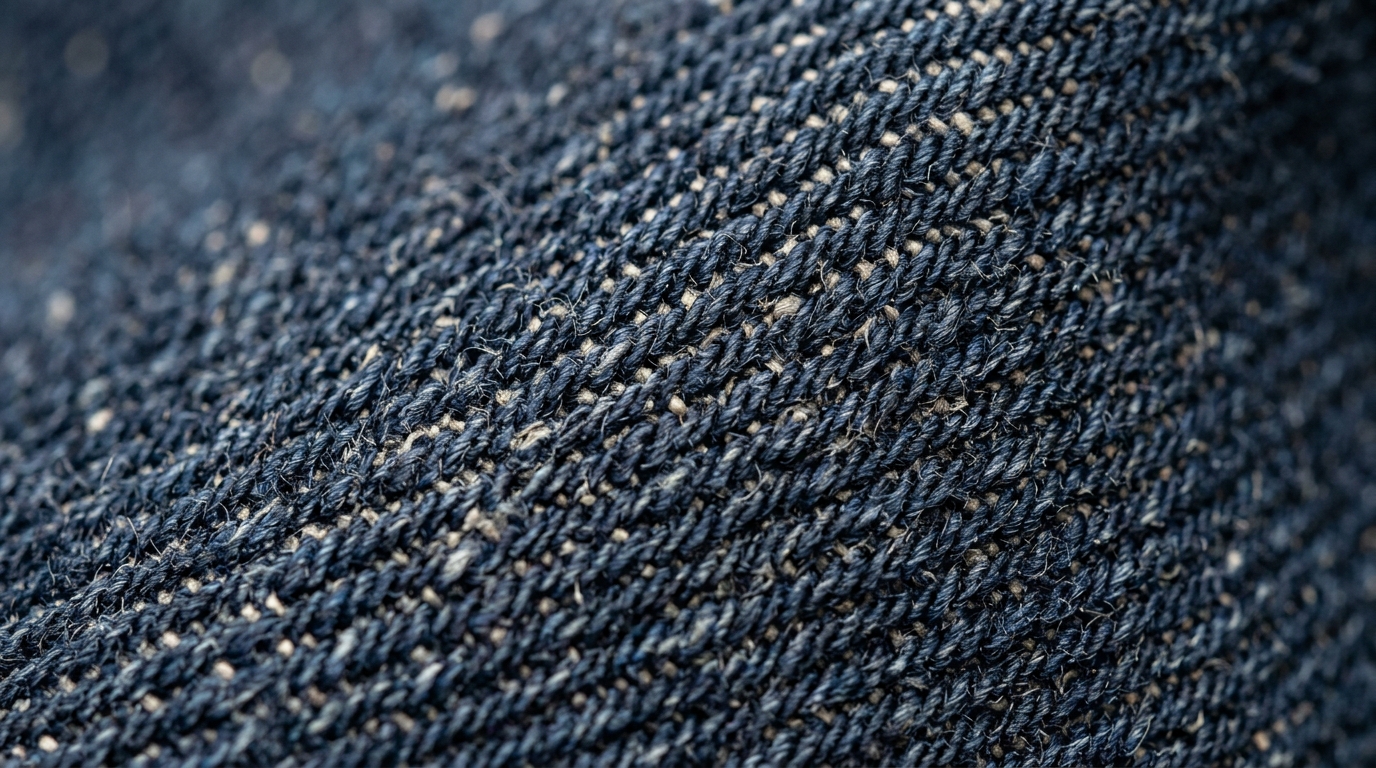
Clothes are three-dimensional. A flat photo can't show drape, stretch, or how fabric moves when someone walks. That's the gap between online shopping and trying something on in a store, and it's the main driver of returns and abandoned carts. Walk-and-turn clips of 10 to 15 seconds, front and back, filmed in vertical 9:16 for Reels and Stories, close the gap better than anything else. Quick macro cutaways of weave, stitching, or hardware build perceived quality without a voiceover. UGC try-on content from real customers or creators, with honest fit notes like "I'm 5'8", size M, true to size," often beats polished studio work for mid-market brands. Styling transitions where you build an outfit piece by piece get high save rates and work as both paid ads and organic posts.
- Static Image CVR (%)
- Motion Video CVR (%)
How to test Facebook ad hooks for a clothing brand
Don't burn budget testing entirely different ads every week. Keep the body of the video the same and swap only the first two or three seconds. That's the hook, and it's usually what makes someone stop or keep scrolling.
Try a movement open with fabric swish or a spin toward camera and no text overlay. Try a problem-solution open like "tired of jeans that gap at the waist?" then show the product fixing it. Open with social proof, a review quote or sales number, before revealing the product. Use a pattern interrupt, a bright color flash, extreme texture close-up, or unboxing sound. Or go with a "get ready with me" POV that builds an outfit in real time.
Cut any hook that's above your target CPA after about 1,500 impressions. When something wins, duplicate the ad into a fresh ad set and increase budget. Don't edit the original winner in place.

Meta Ads Manager setup for fashion creative testing
Run one campaign with one ad set and multiple ads inside it. Use broad or Advantage+ targeting and let creative do the filtering. Dynamic Creative Optimization helps early on. Feed in three videos, two headlines, and two primary text options and let Meta mix them. After seven days, pull out the winning combinations manually and build dedicated ads from them. Your pixel and Conversions API need to be solid. Without clean purchase data you're guessing. Check breakdown reports by placement too. A video that crushes in Reels might flop in Feed, and sometimes they need to be split. Brands that win on Meta ship three to five new video variants every week. You don't need a studio. Phone footage with decent lighting and a consistent backdrop works. Batch film ten hooks in one afternoon, then cut them into separate ads across the month.
"Retailers that optimize Meta ad creative for mobile video and garment movement report about 40% lower CPA than brands running static catalog feeds. Format often matters more than audience."
- National Retail Federation, Digital Marketing Insights
Meta ad copy that converts for fashion e-commerce
Video does the selling. Text removes the last bit of friction. "True to size. Free returns within 30 days" works because it answers the two biggest objections for apparel. Specific beats vague every time. "100% organic cotton, made in Portugal" converts better than "premium quality." If stock is genuinely low, say so. "Only 12 left in your size" is fine when it's true. Review counts and star ratings in the primary text still work. Skip empty luxury language like "elevate your wardrobe" unless you're actually selling at a luxury price point. Mid-market converts on clarity.
Wrapping up
Garment marketing on Meta ads is a creative volume game for fashion e-commerce. Film motion content that shows fit and fabric. Test hooks every week. Measure at the ad level, kill losers fast, scale winners before they fatigue. Give the algorithm enough strong apparel creative and it will find your buyers. For Garment Marketing on Meta Ads: Creative Testing for Fashion E-commerce, track purchase ROAS, cost per purchase, and add-to-cart rate at the ad level-not only the campaign. Fashion accounts that review ad-level data twice weekly cut wasted spend faster because creative fatigue shows up in CPA before it appears in blended ROAS. Pair platform metrics with MER (total revenue divided by total ad spend) so iOS signal loss does not hide true profitability.
Metrics to track weekly on Meta fashion campaigns
Splitting budget across too many ad sets is the most common error: none reach 50 conversions per week and learning resets. Running only static catalog images in prospecting is second-Reels and Stories video with on-model motion consistently outperform flat product shots. Third, retargeting recent buyers in cold campaigns wastes budget; use a purchaser exclusion of at least 30 days.
Pre-launch checklist for garment marketing on meta ads
Before scaling garment marketing meta ads, confirm your Meta Pixel and Conversions API both fire purchase events that match Shopify order volume within 10%. Exclude recent purchasers from prospecting for at least 30 days, load a minimum of three video variants per ad set, and set a frequency alert above 2.5 on cold audiences. Document your control creative so weekly tests have a clear baseline.
Budget split between prospecting and retention
Apparel brands in the $50K–$500K monthly revenue range typically allocate 70–80% of Meta budget to prospecting and 20–30% to retention. Raise the retention share during sale periods when cart abandoners spike, but avoid starving prospecting-new customer acquisition fuels long-term MER. Review the split weekly using blended ROAS, not platform-reported ROAS alone.
Reporting cadence for fashion performance marketers
Check spend pacing and CPA daily; review creative frequency and hook retention twice per week; run a full ad-level ROAS audit every Friday. Compare Meta purchase revenue to Shopify total revenue to calculate MER. When MER holds but platform ROAS drops, the issue is usually attribution signal-not true performance. Pair platform dashboards with a simple MER spreadsheet updated every Monday.
Frequently asked questions
How long before garment marketing on meta ads campaigns stabilize on Meta?
Most fashion accounts need 50+ weekly purchase events before Meta exits the learning phase. Plan two to three weeks of stable spend before judging ROAS.
What budget should a fashion brand start with for Meta ads?
Start with enough daily budget to generate 7–10 purchases per ad set per week. For many apparel brands that means $100–$300 per day on prospecting.
When should you refresh creative for fashion Meta ads?
Refresh hooks or swap in new video variants when frequency exceeds 2.5 or CPA rises 20% week over week. Weekly creative tests are standard for scaling brands.