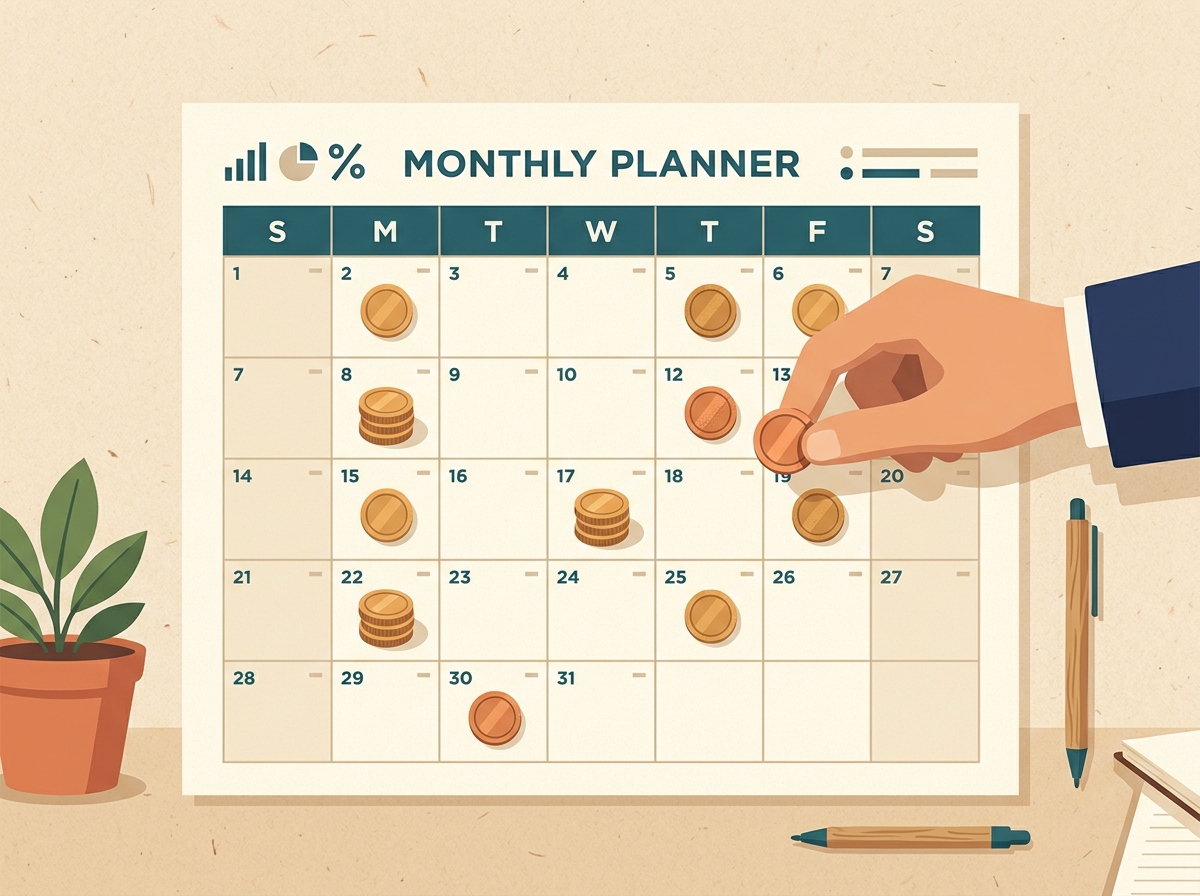
How to Plan a ₹10 Lakh Monthly Ad Budget: A Week-by-Week Plan
Your first ₹10 lakh month is a learning budget. This guide shows Indian businesses how to spend it effectively to discover what scales, turning month one's data into month two's growth plan.
- The essential setup checklist to complete before spending
- How to split a ₹10 lakh budget between Meta and Google Ads
- A week-by-week execution and measurement plan
- Common mistakes that waste early-stage ad budgets
How should a small business in India split a ₹10 lakh monthly ad budget? Fix your tracking and landing pages first. Then, allocate the majority of your budget where customers are already looking. If your product has existing search demand, favor Google (e.g., ₹6L Google / ₹4L Meta). If you sell a new or visual product, lean on Meta to create demand (e.g., ₹7L Meta / ₹3L Google). Keep your campaign structure simple, allow at least a week for learning, and measure everything against your break-even cost per sale.
Before You Spend: The Pre-Launch Checklist
Most ad budgets are wasted before a single campaign goes live. Ensure these fundamentals are in place to give your investment a fighting chance.
- Nail Down Your Tracking: Without reliable data, you're flying blind. Set up the Meta Pixel and Conversions API for Facebook, and enable Google Ads conversion tracking (importing GA4 goals is a good start). Test a real transaction to confirm that sales are being recorded accurately in each platform's event manager.
- Optimize Your Landing Page: Send ad traffic to a dedicated product or service page, not your homepage. It must load quickly on a standard Android device, present the price clearly, and feature a single, obvious call-to-action like "Buy Now" or "Book a Consultation."
- Calculate Your Break-Even Point: You must know how much you can afford to pay for a customer before you start paying them to buy from you. Determine your break-even ROAS (Return On Ad Spend) for products or the maximum Cost Per Lead for services. This number is your north star.
- Craft a Compelling Offer: Advertising amplifies your offer; it cannot fix a weak one. A clear, time-sensitive incentive (like a first-order discount or a free consultation) will almost always outperform a bigger ad budget with a generic message.
Splitting a ₹10 Lakh Budget: Meta vs. Google
The correct allocation depends on a single, critical question: are people already searching for what you sell? Your answer determines whether you're capturing existing demand or creating new demand.
| Your Business Model | Suggested Split (Google/Meta) | Rationale |
|---|---|---|
| Local service with search demand (e.g., clinic, repairs, coaching) | ₹6L Google / ₹4L Meta | Capture high-intent users searching "near me" or for immediate solutions. |
| D2C product with search demand (e.g., organic ghee, protein powder) | ₹5L Google / ₹5L Meta | Balance capturing active searchers on Google with building new demand on Meta. |
| New or visual D2C product (e.g., fashion, home decor, gadgets) | ₹3L Google / ₹7L Meta | Use Meta's visual formats to create demand; use Google for brand and bottom-of-funnel searches. |
| B2B or high-ticket service | ₹6L Google / ₹4L Meta (Lead Forms) | Target high-intent searches on Google and leverage Meta's lead generation tools for broader reach. |
These are starting points. After two weeks, be prepared to shift budget toward the platform that is delivering results closer to your break-even cost.
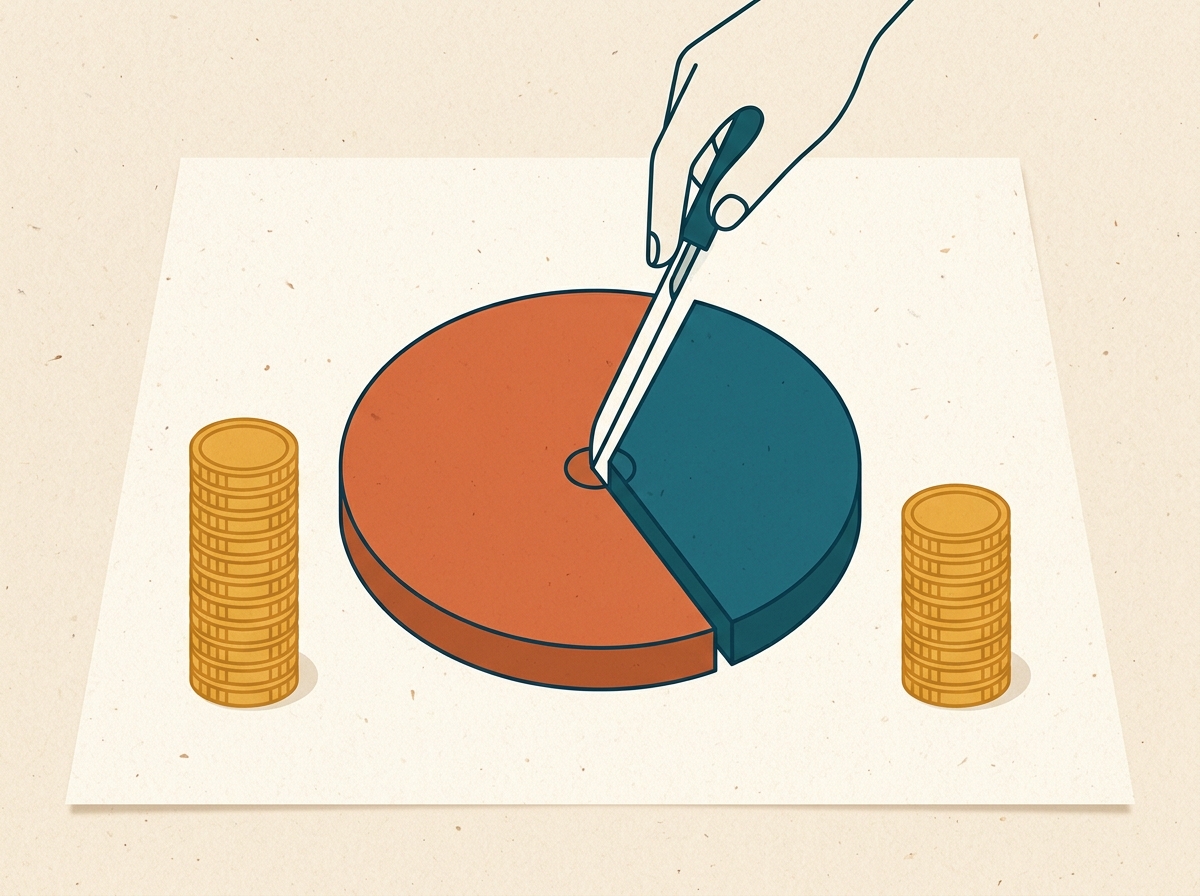
What Is the Right Campaign Structure?
With a daily budget of approximately ₹33,000, simplicity is key. Spreading it across too many campaigns dilutes your data, preventing any single one from gathering enough information to optimize effectively. Fewer, more concentrated campaigns will learn faster.
For Meta: One or Two Campaigns
Launch a single sales or leads campaign using broad or Advantage+ audience targeting. Start with 3-6 distinct ad creatives. Meta's algorithm needs about 50 optimization events (e.g., purchases) per ad set per week to exit its "learning phase" and stabilize performance. Concentrating your budget helps achieve this faster. If an ad set isn't hitting this threshold, consolidate your targeting rather than splitting it further.
For Google: One Focused Search Campaign
Begin with a single Search campaign targeting 10-30 of your highest-intent keywords. Add a small brand campaign if you have existing brand search volume. Avoid Performance Max until you have a stable baseline from your Search campaigns, as it can be difficult to diagnose issues without more granular data.
Your Week-by-Week Execution Plan
This structured approach helps you launch, learn, and optimize without making panicked, data-poor decisions.

| Week | Approx. Spend | What to Do |
|---|---|---|
| Week 1 | ~₹2,00,000 | Launch. Resist the urge to make changes for 5-7 days. Only intervene to fix critical errors like a broken link or a disapproved ad. |
| Week 2 | ~₹2,40,000 | Analyze & Prune. On Google, review the Search Terms report and add negative keywords to exclude irrelevant traffic. On Meta, identify which creatives are generating the best results and pause the clear losers. |
| Week 3 | ~₹2,80,000 | Iterate & Shift. Introduce 2-3 new ad creatives based on the attributes of your top performers from Week 2. Shift 20-30% of your total budget to the better-performing platform. |
| Week 4 | ~₹2,80,000 | Scale & Document. Increase the budget by about 20% at a time for campaigns that are meeting or exceeding your break-even targets. Document your learnings to inform your strategy for month two. |
7 Common Mistakes That Waste a ₹10 Lakh Ad Budget
- Using "Boost Post": Boosting posts is optimized for engagement, not sales. Use the Ads Manager to create campaigns with a "Sales" or "Leads" objective.
- Over-segmenting Campaigns: Too many campaigns and ad sets for the budget prevents any single one from learning effectively.
- Making Daily Changes: Every significant edit can reset the learning phase, hobbling the platform's optimization algorithm.
- Using Hyper-Narrow Targeting on Meta: Small audiences (e.g., a single interest, a tight age range) often lead to high CPMs and rapid ad fatigue. Trust the algorithm with broader targeting.
- Running Broad Match Keywords Without Negatives: On Google, this is the fastest way to burn your budget on irrelevant searches.
- Sending Traffic to the Homepage: Always direct users to a specific, relevant landing page.
- Obsessing Over ROAS Without Context: A high ROAS can still be unprofitable if your margins are thin. Focus on your break-even point first.
How EngageReel Helps Automate Creative Learning
Month one is about finding what works. Month two is about scaling it without burning out your winning creative. EngageReel's AI creative platform helps fashion and e-commerce brands understand what elements in their ads are driving performance. It automates the production of new, on-brand creative variations, helping you beat creative fatigue and scale your ad spend profitably. By connecting creative insights to ad performance, you can turn a learning budget into a growth engine. Learn more at EngageReel.com.
Frequently asked questions
Is ₹10 lakh a month enough to test Meta and Google properly?
Yes, for most growing Indian brands, this budget is sufficient to properly test one or two core offers on both Meta and Google. The key is focus. Avoid the temptation to test ten products, five audiences, and three platforms simultaneously; concentrate your budget on a narrow, well-defined test.
Meta Ads or Google Ads—which is better for a growing brand?
It depends on user intent. Google Ads is generally more effective when people are actively searching for your product or service. Meta Ads excels at creating new demand for products that are visual, new, or impulse-driven. A robust strategy for a growing brand often involves using both platforms in concert.
How long should I run ads before judging the results?
Wait at least 7 days before making significant decisions. Both platforms need time and data to optimize. Meta's learning phase requires around 50 conversions per week to stabilize, and Google's smart bidding algorithms perform better with more historical data. Making decisions after just two days is a common and costly mistake.
Should I boost Instagram posts with this budget?
For a budget focused on driving sales or leads, no. While boosting can be effective for reach, it offers limited targeting and optimization controls compared to creating a proper campaign in Meta Ads Manager. Always use the Ads Manager for performance-oriented goals.
What should I do if my first month doesn't make a profit?
This is a normal outcome for a learning budget. The goal wasn't profit; it was data. Analyze your results to identify the creatives, keywords, and audiences that came closest to your break-even point. In month two, allocate the majority of your budget to these top performers and cut the rest. This is how you build a profitable ad account.
References
- Meta for Business — About the Learning Phase
- Google Ads Help — About conversion tracking
- EngageReel — What is ROAS and How to Calculate It: A Guide for Fashion Brands
- EngageReel — Creative Fatigue in Meta Ads: Signs, Causes and Fixes
- EngageReel — Stop Fighting Meta vs Google — Omnichannel Ads That Work Together