
What is ROAS and How to Calculate It: A Guide for Fashion Brands
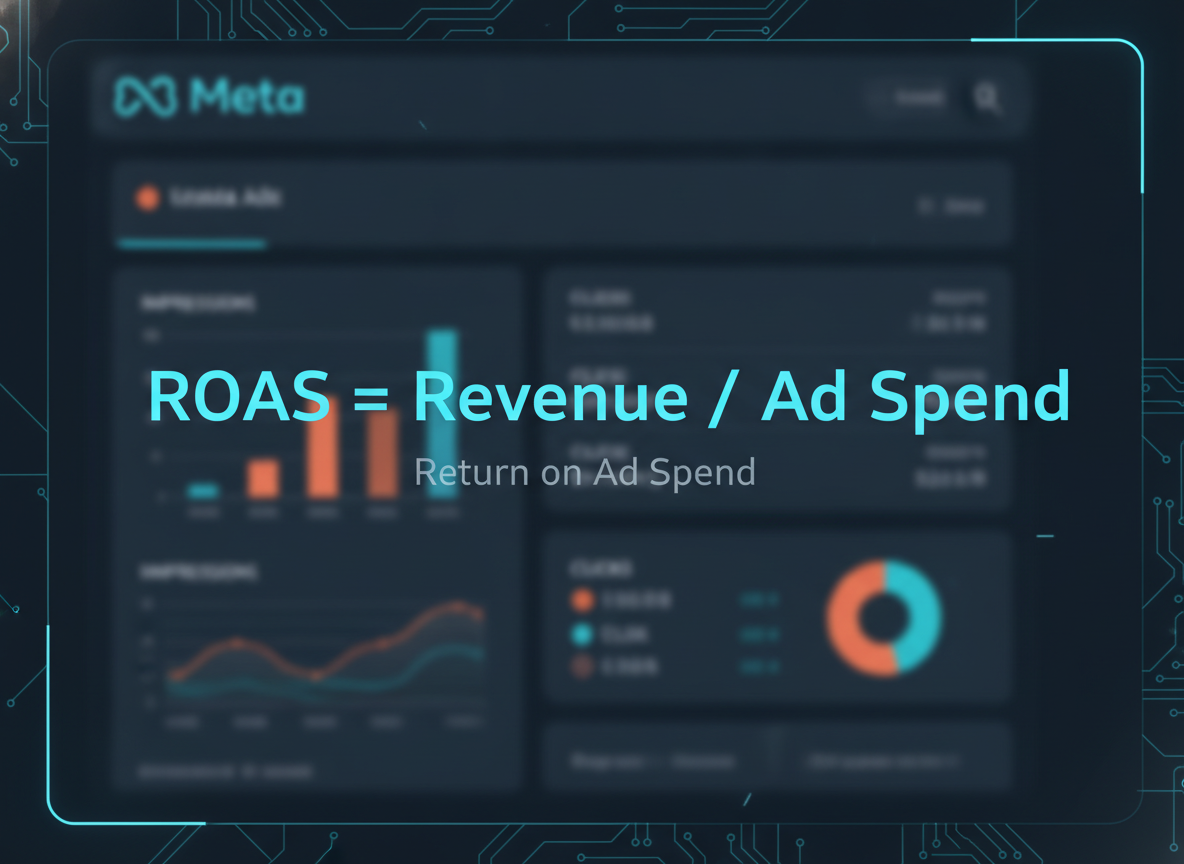
Many fashion marketing teams struggle to scale profitably because they rely on inaccurate platform metrics. This guide breaks down the true definition of Return on Ad Spend (ROAS), how to calculate it, and how to improve it using data-driven creative testing.
- Understand the difference between ROAS and overall marketing ROI.
- Learn the core formula to calculate your ad performance accurately.
- Identify how attribution models and high return rates distort actual profitability.
- Automate ROAS optimization with EngageReel.
Are your ad campaigns actually making money, or is your platform dashboard lying to you? Return on Ad Spend (ROAS) is the most critical metric for e-commerce growth, yet many brands miscalculate it by ignoring hidden costs. To scale profitably, fashion marketers must move beyond surface-level metrics and calculate true contribution margin.
What is the difference between ROAS and ROI?
While often used interchangeably, ROAS and ROI (Return on Investment) measure two different aspects of profitability. By definition, ROAS focuses strictly on the gross revenue generated directly from specific advertising campaigns. It answers the question: "If I put $1 into Meta Ads, how many dollars come back?"
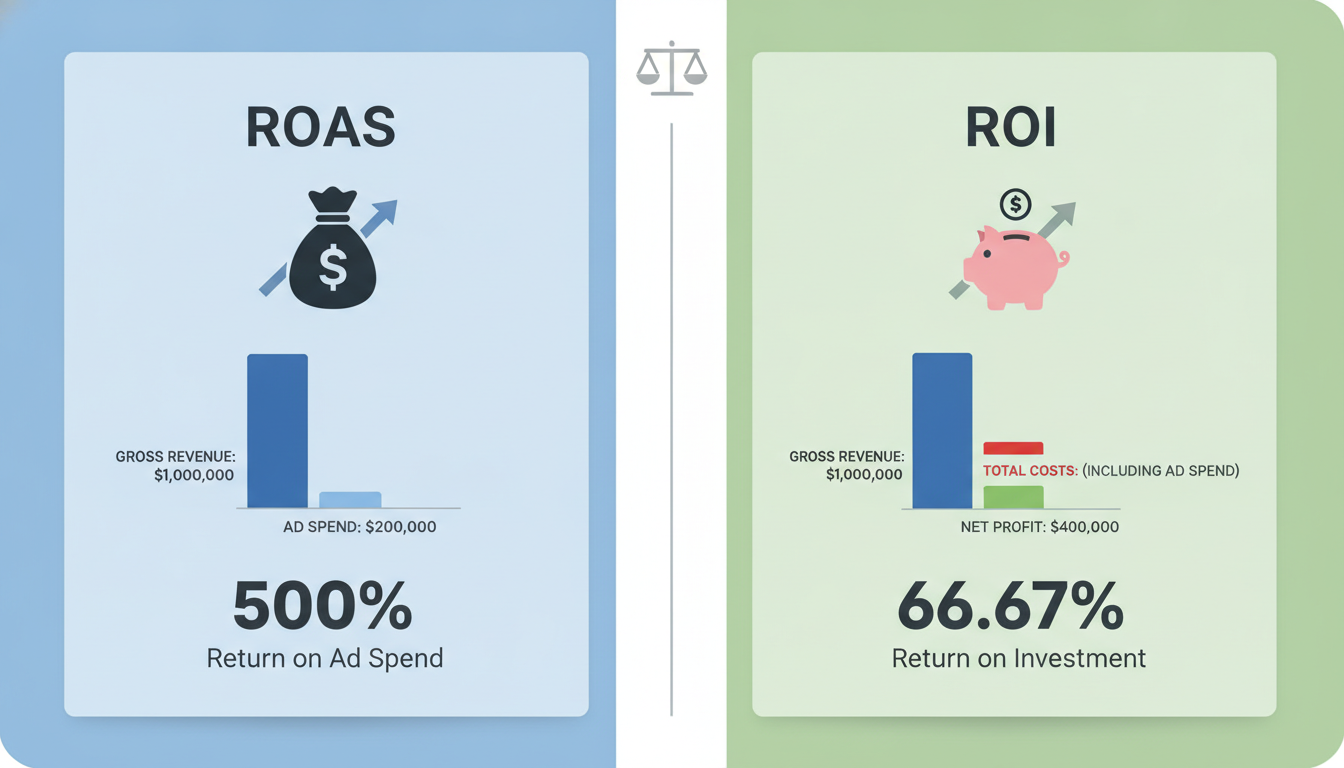
ROI, on the other hand, is a macro metric. It calculates the net profit of a campaign or the entire business after subtracting all expenses, including the cost of goods sold (COGS), agency fees, software, and shipping. A campaign can have a high ROAS but a negative ROI if the product margins are too thin.
The standard formula to calculate ROAS for advertising campaigns
The standard formula for calculating Return on Ad Spend is straightforward: divide the revenue generated by the ads by the cost of running those ads.
ROAS = (Revenue Attributable to Ad / Cost of Ad) × 100
For example, if a fashion brand spends $2,000 on a TikTok ad campaign that generates $8,000 in sales, the calculation is ($8,000 / $2,000). The result is 4, commonly expressed as a 4x ROAS, meaning every $1 spent generated $4 in revenue.
| Metric | Scenario A | Scenario B |
|---|---|---|
| Ad Spend | $5,000 | $5,000 |
| Revenue Generated | $10,000 | $25,000 |
| Calculated ROAS | 2x | 5x |
Why attribution models distort your actual ROAS
In the real world, a fashion shopper rarely sees one ad and buys immediately. They might click a Meta ad on Monday, Google the brand on Wednesday, and purchase via an email link on Friday. The attribution model you choose determines which channel gets credit for the sale.
If you rely solely on last-click attribution, top-of-funnel discovery campaigns will always show a low, inaccurate ROAS, making them appear unprofitable. Relying on platform-reported numbers without a multi-touch attribution strategy leads marketers to turn off the very ads that are initiating the customer journey.
When high return rates destroy platform profitability
For fashion and apparel brands, the biggest threat to ROAS isn't ad cost; it is the return rate. A Meta dashboard might report a healthy 4x ROAS, but if 30% of those orders are returned due to poor fit or inaccurate product photos, the true ROAS plunges.

To improve true ROAS, marketers must ensure the ad creative perfectly aligns with the product detail page (PDP). Accurate sizing charts, UGC video showing fabric movement, and true-to-color imagery reduce returns, increasing the contribution margin and the actual profitability of the ad spend.
EngageReel automates creative testing and spend allocation
Calculating ROAS is only the first step; improving it requires continuous optimization. EngageReel—an AI ad performance and creative platform for fashion eCommerce—watches every creative you run, learns what converts, and optimizes Meta, Google, and TikTok spend 24/7.
Instead of manually downloading CSVs to calculate true performance across channels, EngageReel automatically shifts budget away from fatigued ads and scales the variations driving the highest actual revenue, protecting your margins automatically.
References
- Deloitte Digital — ROAS: What it is, How to Calculate it, and Tips to Improve it (2025)
- McKinsey — What is Return On Ad Spends and How to Calculate ROAS (2026)
- Shopify Enterprise — How to Improve ROAS in Online Fashion Advertising (2026)
- Meta Business Insights — 5 Ways to Boost ROAS for Fashion & Beauty Advertising (2021)
- Baymard Institute — How to Increase ROAS in Meta Ads (2026)