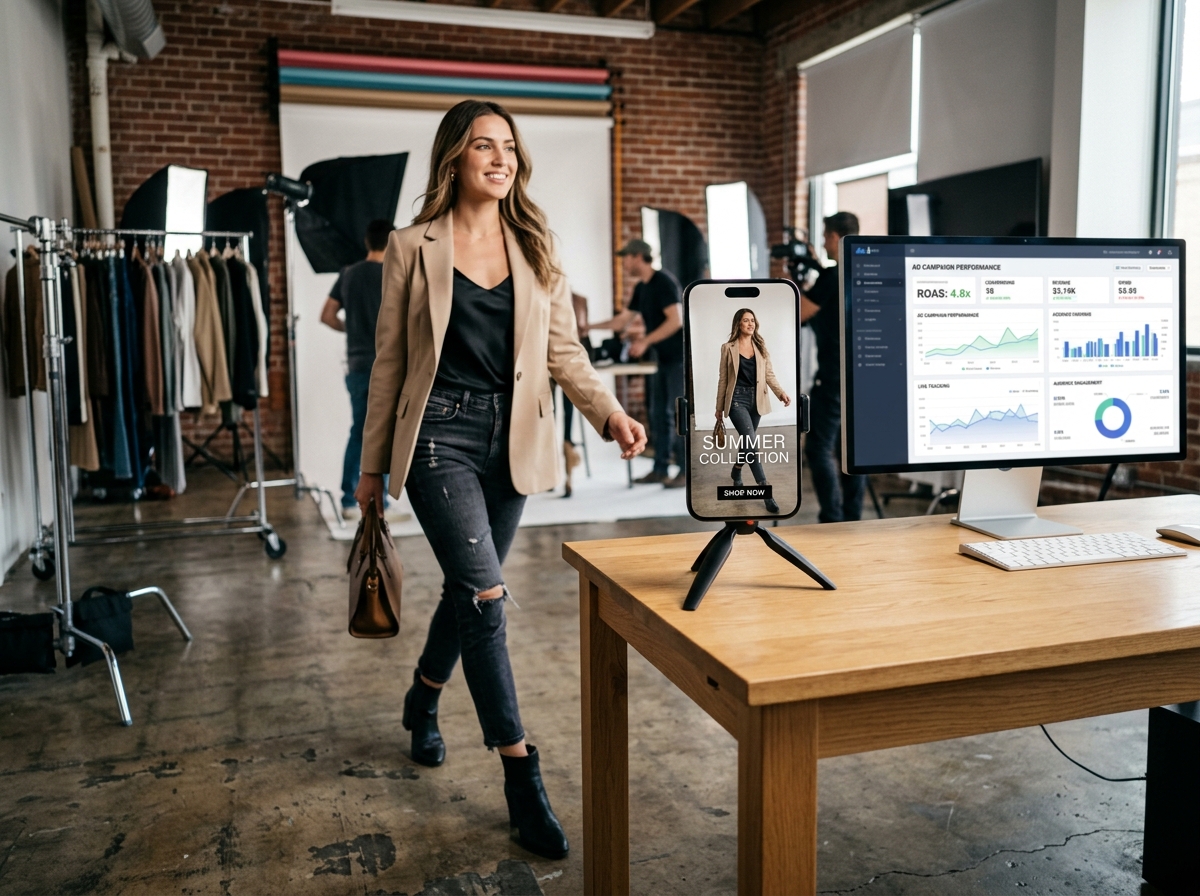
Amazon Fashion Ad Creative: Boost ROAS with Winning Visuals
Summary
- Fashion brands on Amazon often waste spend because they rely on generic product shots instead of optimized visual creative.
- Apparel requires distinct visual elements—like on-model imagery, movement, and context—to convert casual browsers into buyers.
- Testing different hooks and layouts is critical for breaking through creative fatigue and improving ROAS.
- EngageReel helps fashion marketers rapidly test and scale winning ad creatives, connecting visual elements directly to performance.
Fashion brands running sponsored ads on Amazon often struggle to make their creative stand out and drive conversions, leading to high spend and low ROAS. You cannot treat apparel like a standard electronics or home goods listing; fashion requires distinct visual strategies that highlight fit, drape, and lifestyle appeal. If your campaigns are stalling, it's time to rethink how you approach Amazon fashion ad creative. This guide covers the specific visual elements that convert, how to test them efficiently, and why generic PPC advice won't cut it in the fashion category.
Why generic ad creative fails for fashion on Amazon
Most general Amazon PPC advice focuses on clear white backgrounds and keyword-stuffed titles. While that works for batteries, it fails for apparel. Fashion is an emotional purchase driven by aesthetics, fit, and lifestyle aspiration. When you rely solely on flat lays or generic ghost mannequin shots in your Sponsored Brands or Display ads, you lose the shopper's attention.
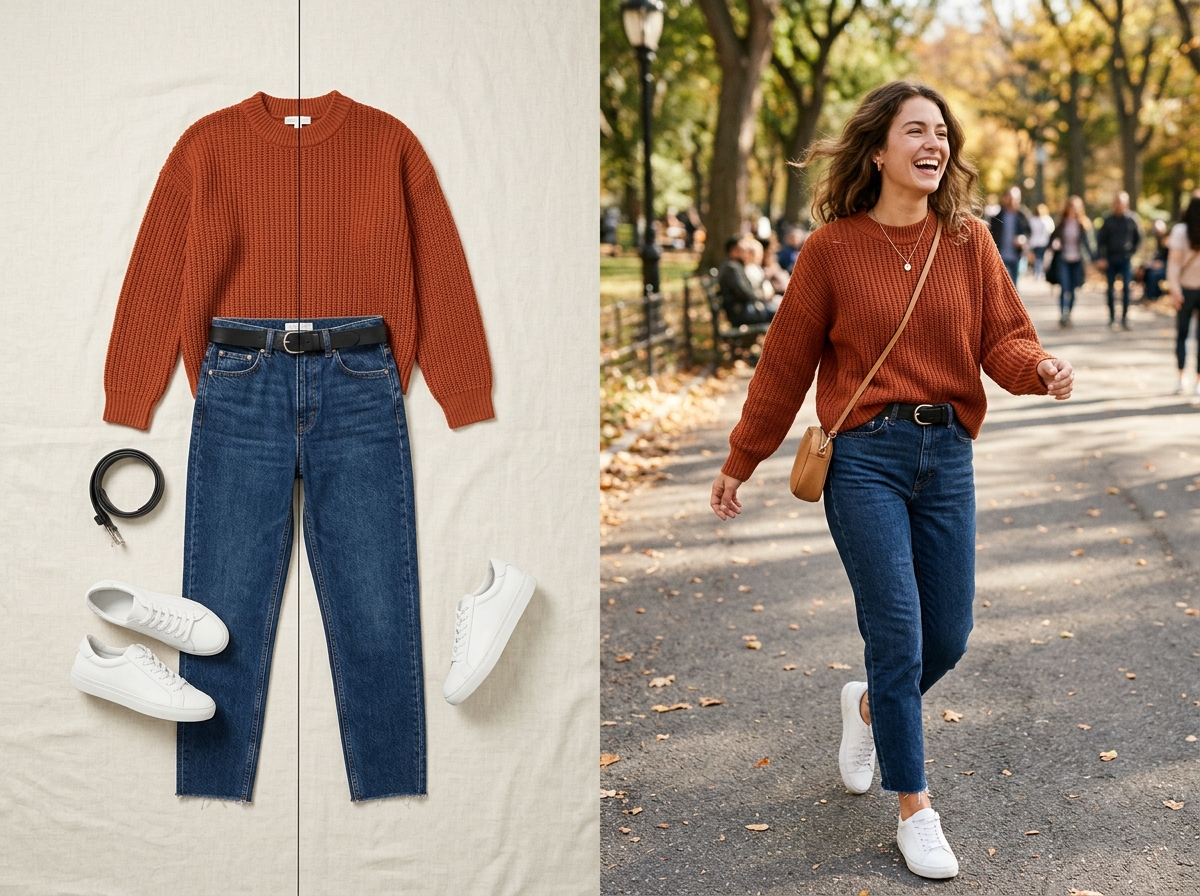
In the crowded Amazon fashion marketplace, your ad creative needs to stop the scroll. Shoppers want to see how the fabric moves and how the garment fits a real person. Failing to provide this context leads to low click-through rates (CTR) and high customer acquisition costs (CAC). To win, performance marketers must prioritize high-quality, on-model imagery and dynamic video that communicate the brand's unique style.
What visual elements make Amazon fashion ads convert?
To improve your Amazon fashion ad performance, you need to understand which visual elements actually drive conversions. It is not just about having a pretty picture; it is about providing the visual information the shopper needs to make a purchasing decision.
| Visual Element | Impact on Performance | Best Practice |
|---|---|---|
| On-Model Imagery | Increases CTR by showing fit and proportion. | Use diverse models and show multiple angles. |
| Fabric Detail Shots | Boosts conversion rate by demonstrating quality. | Provide high-resolution close-ups of texture. |
| Video (In-Motion) | Highest engagement format on Amazon. | Show movement, drape, and styling versatility. |
| Lifestyle Context | Drives brand affinity and aspiration. | Match the scene to the target demographic. |
On-Model Imagery
Seeing a garment on a model is non-negotiable for fashion ads. It helps shoppers gauge the fit, length, and proportions. Make sure to use diverse models and show the product from multiple angles.
Fabric Detail and Texture
Shoppers cannot touch the product, so your creative must do the heavy lifting. Use high-resolution close-ups to highlight fabric texture, stitching, and quality details that justify the price point.
Video and Movement
Video ads are highly effective on Amazon. Show the garment in motion—a model walking, twirling, or adjusting the fit. This demonstrates drape and movement, significantly increasing shopper confidence and conversion rates.
How to test and iterate on your Amazon fashion ad creative
Even the best creative will eventually experience fatigue. To maintain a high ROAS, you must continuously test and iterate. The key is to test specific visual variables systematically rather than just throwing new images at the wall.

Start by testing different hooks. Does a lifestyle shot perform better than a studio shot? Does a video showing movement outperform a static image highlighting texture? EngageReel's Ad Engine allows you to tag each asset—by model, garment, hook, and scene—and tie it directly to ROAS and CPA. This continuous loop of testing and learning ensures you are always scaling what works and cutting what doesn't.
Common mistakes in Amazon fashion ad creative to avoid
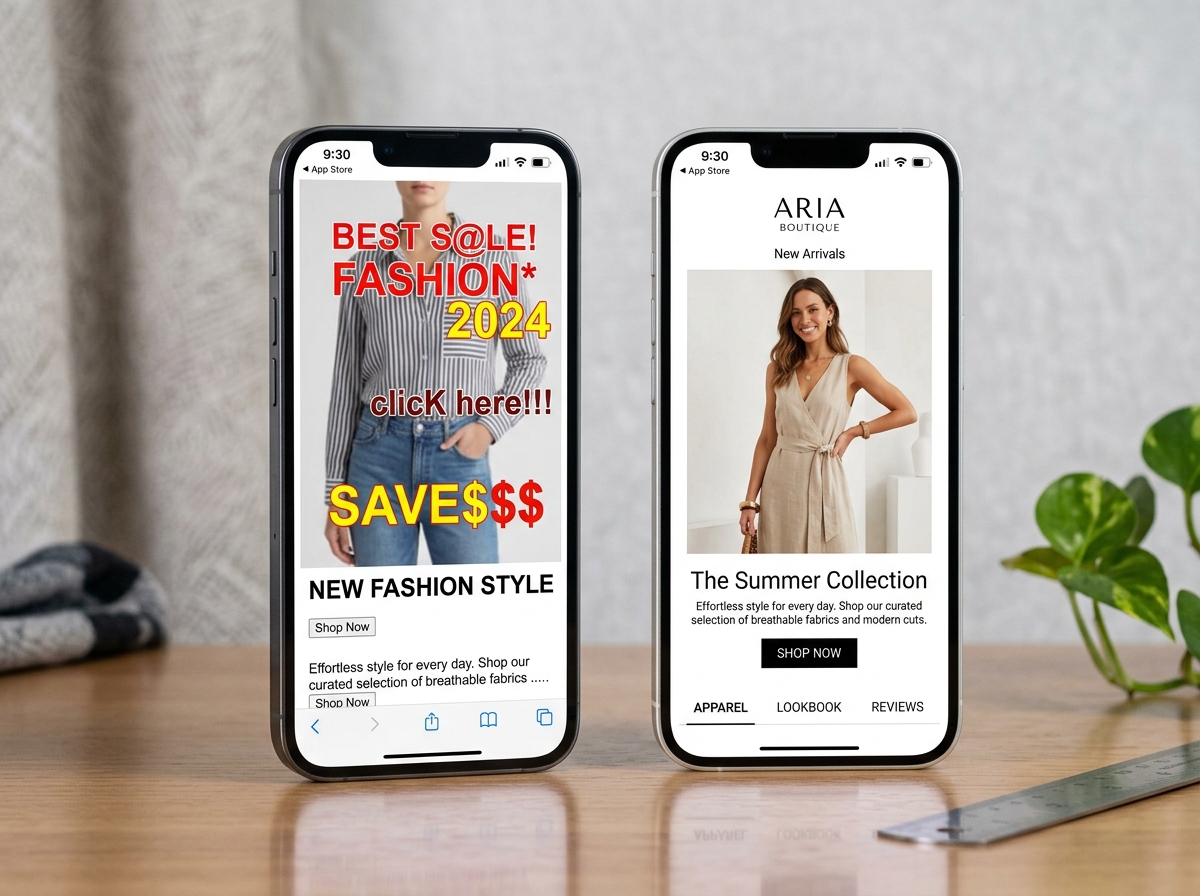
When scaling campaigns, many brands fall into the same traps. Avoiding these common mistakes can immediately improve your ad efficiency and protect your budget.
- Ignoring mobile formatting: The majority of Amazon shoppers browse on mobile. Ensure your images and text are legible on small screens.
- Inconsistent branding: Your Amazon ads should look like your brand, not a generic marketplace listing. Maintain a consistent color palette, styling, and tone.
- Relying on a single creative format: Do not just use static images. Mix Sponsored Brands video, Sponsored Display, and Custom Advertising solutions to engage shoppers across their journey.
- Setting and forgetting: Creative fatigue is real. Monitor your frequency and CTR, and refresh your assets before performance drops.
How EngageReel fits: EngageReel is an ad-performance platform built specifically for fashion ecommerce. Instead of guessing what creative works, EngageReel links your visual elements (hooks, models, scenes) directly to ROAS. The Content Engine then generates the exact videos and images you need next, allowing you to scale winning ads and eliminate wasted spend.
Conclusion
Winning on Amazon requires more than just bidding on the right keywords; it requires fashion ad creative that captures attention and provides crucial visual context. By focusing on on-model imagery, highlighting fabric details, and continuously testing your assets, you can break through the noise and boost your ROAS. Stop relying on generic advice—invest in the visual elements that actually make fashion sell. Check out our guide on fashion ad optimization to learn more.
Frequently asked questions
How do I make my Amazon fashion ads more effective?
To make Amazon fashion ads more effective, prioritize high-quality, on-model imagery and dynamic video that highlight fit and movement. Continuously test different hooks and visual elements to see what resonates with your audience, and avoid relying on generic, flat-lay product shots.
What are the best image sizes for Amazon fashion ads?
The best image sizes depend on the specific ad format. For Sponsored Brands custom images, use high-resolution assets (at least 1200 x 628 pixels) that maintain clarity on both desktop and mobile. Always follow Amazon's latest creative guidelines for specific placements.
Can video ads work for fashion on Amazon?
Yes, video ads are highly effective for fashion on Amazon. They allow you to show the garment in motion, demonstrating drape and fit in a way that static images cannot, which significantly boosts shopper confidence and conversion rates.
How do I optimize my Amazon product listing for ads?
Optimize your listing by ensuring it features a diverse set of high-resolution, on-model images and a detailed video. Your ad creative should seamlessly match the aesthetic and quality of your product detail page to provide a cohesive shopping experience that drives conversions.
Why is creative fatigue a problem for fashion ads on Amazon?
Creative fatigue occurs when shoppers repeatedly see the same ad, leading to decreased engagement and higher costs. Fashion brands must frequently refresh their creative with new hooks, angles, and models to maintain strong click-through rates and high ROAS.