
Meta Ads Learning Phase: How to Add Creatives Without Resetting
Performance marketers and media buyers frequently encounter a frustrating paradox: adding fresh creative assets to an active Meta ad campaign is necessary to combat fatigue, yet doing so often tanks ROAS instantly because the algorithm forces a re-entry into the learning phase. How to add new creatives without resetting Meta learning phase is one of the most critical operational challenges for D2C fashion and beauty brands spending substantial monthly ad budgets.
When you modify an active ad set by introducing entirely new concepts, Meta's delivery system temporarily widens exploration to gather performance data on the new assets. According to Meta Advertising Guidelines, this sudden shift can disrupt stable delivery, causing cost-per-acquisition (CPA) spikes and abrupt efficiency drops. Understanding the exact mechanics of how ad additions impact delivery allows media buyers to scale volume without repeatedly triggering algorithmic resets.
Why adding new creative triggers the learning phase
Meta's delivery algorithm relies on continuous feedback loops to optimize ad delivery across target audiences. When a new ad asset is introduced into an existing ad set, the system lacks sufficient historical conversion data for that specific creative. Consequently, the delivery engine temporarily reallocates impression volume to evaluate click-through rates, conversion rates, and engagement signals for the new asset.
This re-evaluation process mimics the initial learning phase, especially if the new creative introduces a radically different visual hook, format, or messaging angle that alters audience response patterns. Media buyers asking does adding new ads restart learning phase must realize that minor edits to existing ads rarely trigger resets, but injecting brand-new media into active ad sets forces the system to recalibrate its delivery distribution (see also Meta Marketing API Documentation).
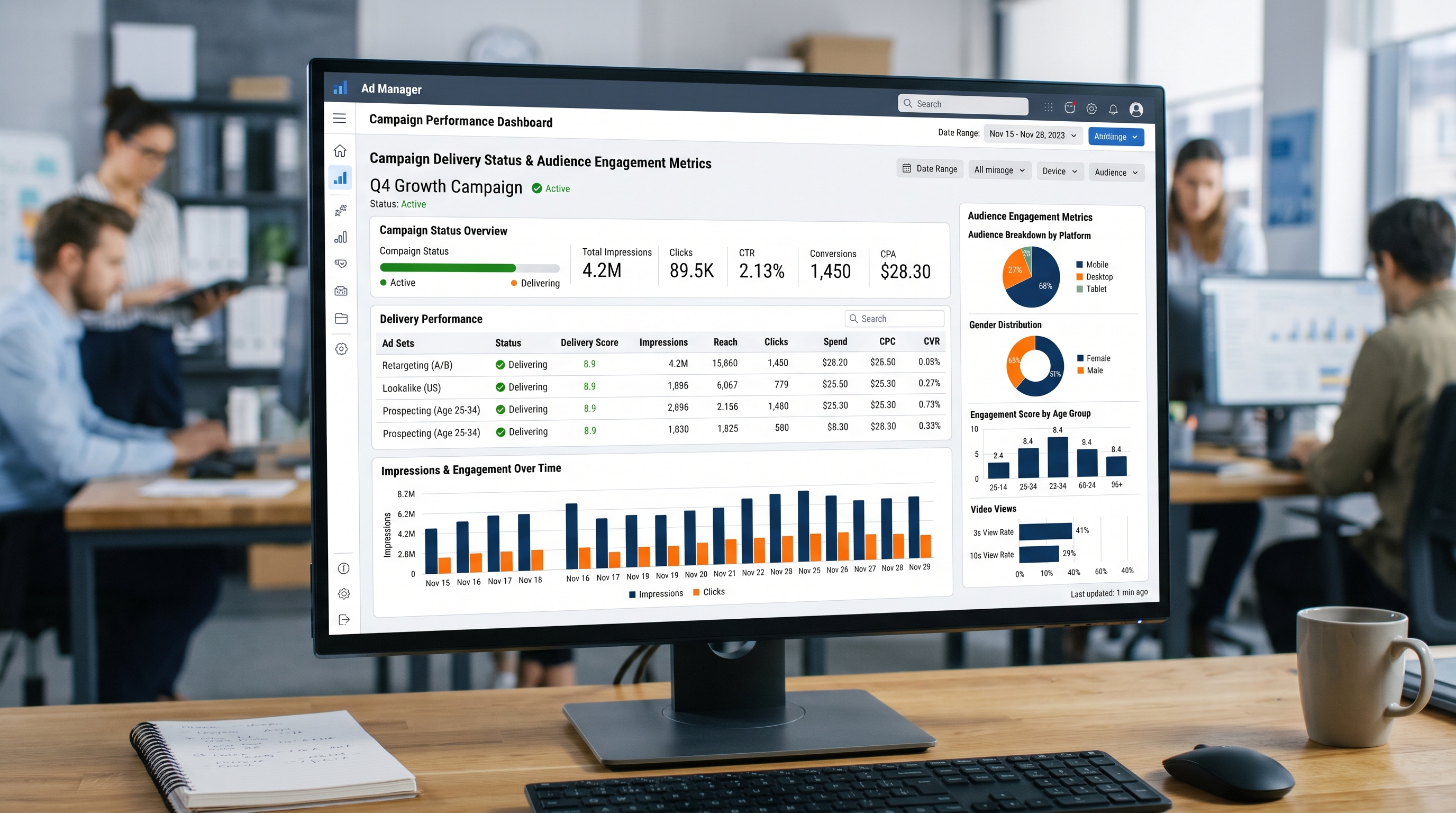
How to test new hooks without resetting your main campaign
Protecting your core scaling campaign from algorithmic volatility requires separating creative experimentation from established performance budgets. How to test new ad creatives without killing ROAS relies on controlled isolation rather than direct injection into scaling ad sets. By isolating unproven hooks in dedicated testing structures, you insulate your primary revenue-generating campaigns from wild efficiency fluctuations.
Media buyers should utilize structured creative testing frameworks where new video hooks, static variations, and UGC concepts run against broader or controlled audience segments. Once a hook proves its conversion efficiency in the testing environment, it can be transitioned into the scaling campaign with minimal disruption to ongoing performance stability.
Is your campaign actually in the learning phase or just experiencing fatigue?
Diagnosing meta ads learning phase re-entry symptoms correctly prevents knee-jerk budget cuts that harm account performance. When a campaign enters learning re-entry, delivery becomes erratic, CPMs fluctuate widely, and delivery stability metrics in Ads Manager indicate learning status. In contrast, creative fatigue manifests as a gradual decline in click-through rates and rising frequency over several weeks while delivery stability remains optimal.
Performance marketers must inspect audience frequency, creative impression counts, and delivery diagnostics before making structural adjustments. Mistaking natural creative fatigue for a learning phase reset often leads media buyers to pause winning assets prematurely.

The 'Feeder Campaign' method for safe creative testing
Scaling meta ads without triggering learning phase restrictions is best achieved through the Feeder Campaign method. In this setup, a separate campaign or ad set operates with a controlled budget specifically dedicated to ingesting newly produced ad variants. This structure answers can i add ads to an active campaign without resetting by bypassing the main ad set entirely during initial testing.
As new creatives collect reliable conversion data and exit their initial evaluation period within the feeder structure, media buyers identify clear winners. This workflow eliminates the guesswork of direct edits and maintains uninterrupted momentum in your primary scaling campaigns.
When to move a winning ad into your scaling campaign
Timing the migration of a validated creative asset is critical for sustained account growth. Knowing what happens to meta ads when you add new creative helps determine the precise moment for transfer. Once an ad demonstrates stable conversion volume and hits target CPA benchmarks inside your feeder structure for at least three to four consecutive days, it is ready for deployment.
When introducing this proven asset into your primary scaling campaign, duplicate the winning ad rather than moving it, or add it alongside existing top-performing ads. This ensures the established delivery pathways retain their baseline optimization while the algorithm smoothly integrates the new contributor.
Comparison of Testing Strategies for Meta Ads
To help media buyers choose the most efficient testing framework, the table below compares direct ad additions against the Feeder Campaign method across key performance metrics.
| Strategy Metric | Direct Ad Addition (In-Campaign) | Feeder Campaign Method (Isolated) |
|---|---|---|
| Learning Phase Trigger | High risk of resetting active ad set | Zero disruption to scaling campaigns |
| ROAS Stability | Volatile during re-evaluation period | Consistent and predictable baseline |
| Budget Control | Shared with main scaling budget | Strictly isolated testing allocation |
| Winner Validation | Evaluated inside live delivery mix | Validated prior to scaling deployment |
Frequently asked questions
Does adding one ad reset the learning phase for the whole campaign?
No, adding a single ad typically impacts only the specific ad set where the edit occurred, rather than resetting the entire multi-ad-set campaign structure.
How much spend is needed to exit the learning phase?
Meta generally requires approximately 50 optimization events per ad set within a seven-day window to successfully exit the learning phase and stabilize delivery.
Should I use dynamic creative to avoid learning phase resets?
Dynamic Creative allows you to test multiple images, videos, headlines, and primary texts within a single ad container, helping the algorithm optimize combinations without constant ad set edits.
How can I tell if my ROAS drop is due to learning phase or creative fatigue?
Check Ads Manager delivery diagnostics for learning status indicators alongside audience frequency and historical CTR trends to distinguish algorithm recalibration from audience burnout.
Can I add ads to an active campaign without resetting?
Yes, by utilizing dedicated testing ad sets or duplicate structures, you can introduce fresh creative assets without disturbing the delivery stability of your primary scaling campaigns.