
Model Choice & Ad Performance: Real vs. AI vs. Diverse
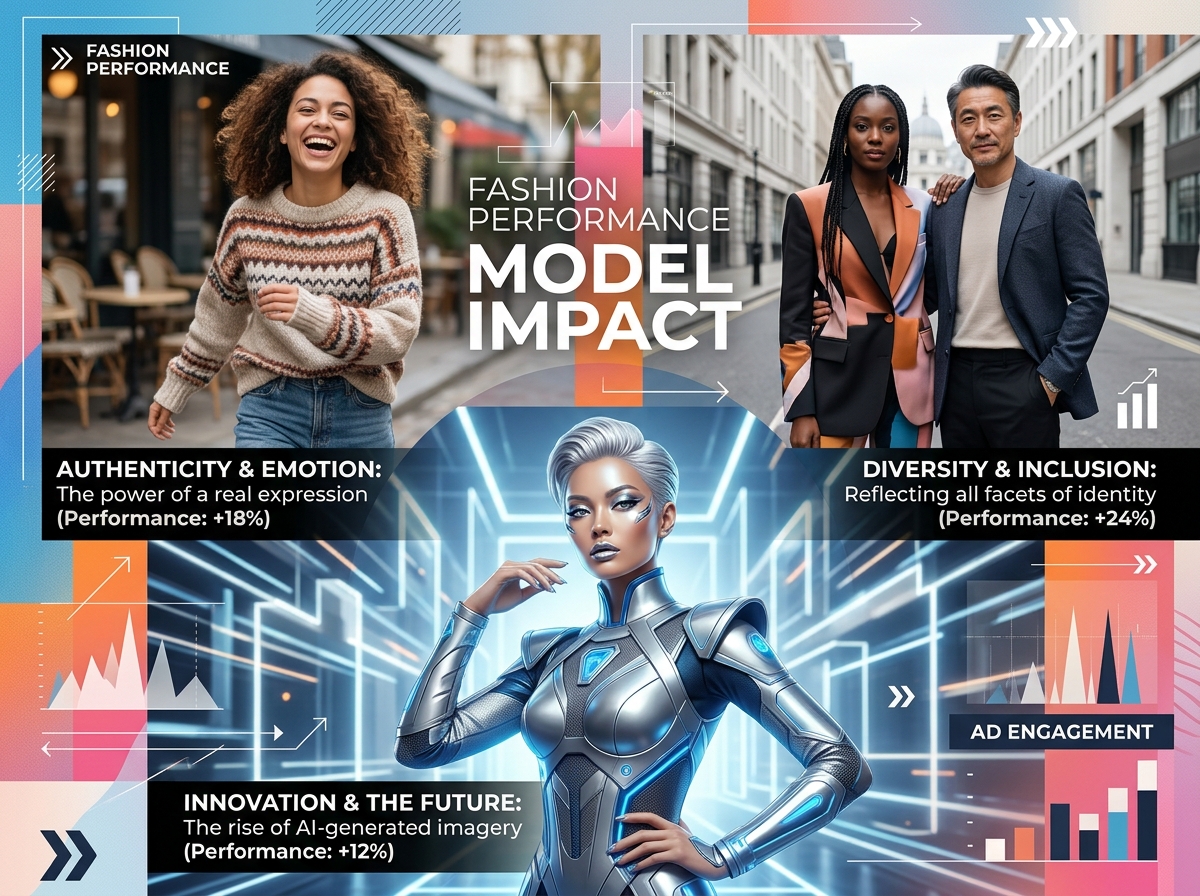
For fashion and beauty brands, selecting the right model is a critical decision that directly influences ad performance. This article examines the strategic implications of choosing between real, AI-generated, and diverse models, helping performance marketers and creative strategists optimize their campaigns for higher ROAS and stronger brand engagement.
- Understand the unique benefits and challenges of each model type.
- Analyze how model authenticity and diversity impact consumer trust and conversions.
- Evaluate the performance trade-offs between AI and real models.
- See how EngageReel helps test and identify your most profitable model and creative choices.
Choosing the right model for a fashion ad campaign is more than a creative choice—it's a performance lever. Whether you opt for the authenticity of real models, the scalability of AI, or the inclusivity of diverse representation, each path carries distinct implications for your ROAS, conversion rates, and overall brand perception.
What are the Key Considerations When Choosing Models for Fashion Ads?
Selecting a model for a fashion campaign requires a multi-faceted approach that balances brand identity, target audience resonance, and campaign goals. The right choice can amplify your message and drive sales, while a mismatch can alienate potential customers and diminish returns. Your decision should be guided by three core pillars: authenticity, relatability, and performance.
Authenticity speaks to the believability and trustworthiness of your brand's message. Relatability is about your audience seeing themselves—or an aspirational version of themselves—in your ads. Finally, performance is the data-driven reality of which faces and aesthetics actually compel users to click and convert. Navigating these considerations is key to developing a successful fashion ad model selection strategy.
A Comparative Look at Model Types
| Model Type | Primary Benefit | Key Challenge | Best For |
|---|---|---|---|
| Real Models | High authenticity and emotional connection. | Higher cost, logistical complexity. | Brand storytelling, building trust. |
| AI Models | Scalability, cost-efficiency, consistency. | Potential for consumer skepticism, lacks human touch. | High-volume creative testing, consistent branding. |
| Diverse Models | Increased relatability and market reach. | Requires genuine commitment to inclusivity. | Broadening audience appeal, reflecting modern values. |
How Do Real Models Influence Ad Performance and Brand Authenticity?
Real models bring a human element to fashion advertising that is difficult to replicate. Their genuine expressions and ability to convey emotion help build a connection with the audience, making products feel more tangible and desirable. This human touch often translates into stronger ad performance.

Data suggests that using models in fashion ads improves performance by an average of 33%, a testament to the power of human connection in advertising. According to a 2022 analysis by Confect.io, this lift is even more pronounced for new product launches, where ads featuring models can perform up to 109% better. Seeing a product on a real person helps consumers visualize how it might look on them, reducing purchase friction and boosting conversion rates.
AI Models vs. Real Models: Which Drives Better ROAS for Fashion Brands?
The rise of AI has introduced a new variable into the model selection equation. AI-generated models offer unparalleled scalability, consistency, and cost-efficiency, allowing brands to create a high volume of creative assets without the logistical complexities of a traditional photoshoot. However, this efficiency comes with potential trade-offs in consumer perception.
A 2026 study published in the Journal of Retailing and Consumer Services found that social media ads featuring AI models can increase advertising skepticism, which in turn can diminish brand advocacy and purchase intentions. The research highlighted that consumers often hold negative perceptions of AI models due to concerns about job displacement, ethical implications, and a potential devaluation of the brand's creative efforts. For luxury brands, the effect was even more pronounced, with AI-generated ads negatively influencing ad evaluations. This suggests that while AI offers operational advantages, the impact on consumer trust and ROAS must be carefully weighed.
Why is Diverse Model Representation Crucial for Fashion Ad Success?
In today's market, representation is not just a social imperative—it's a business necessity. Consumers increasingly expect brands to reflect the diversity of the world around them. Featuring a wide range of ethnicities, body types, ages, and identities in advertising is essential for building an inclusive brand image and resonating with a broader audience.
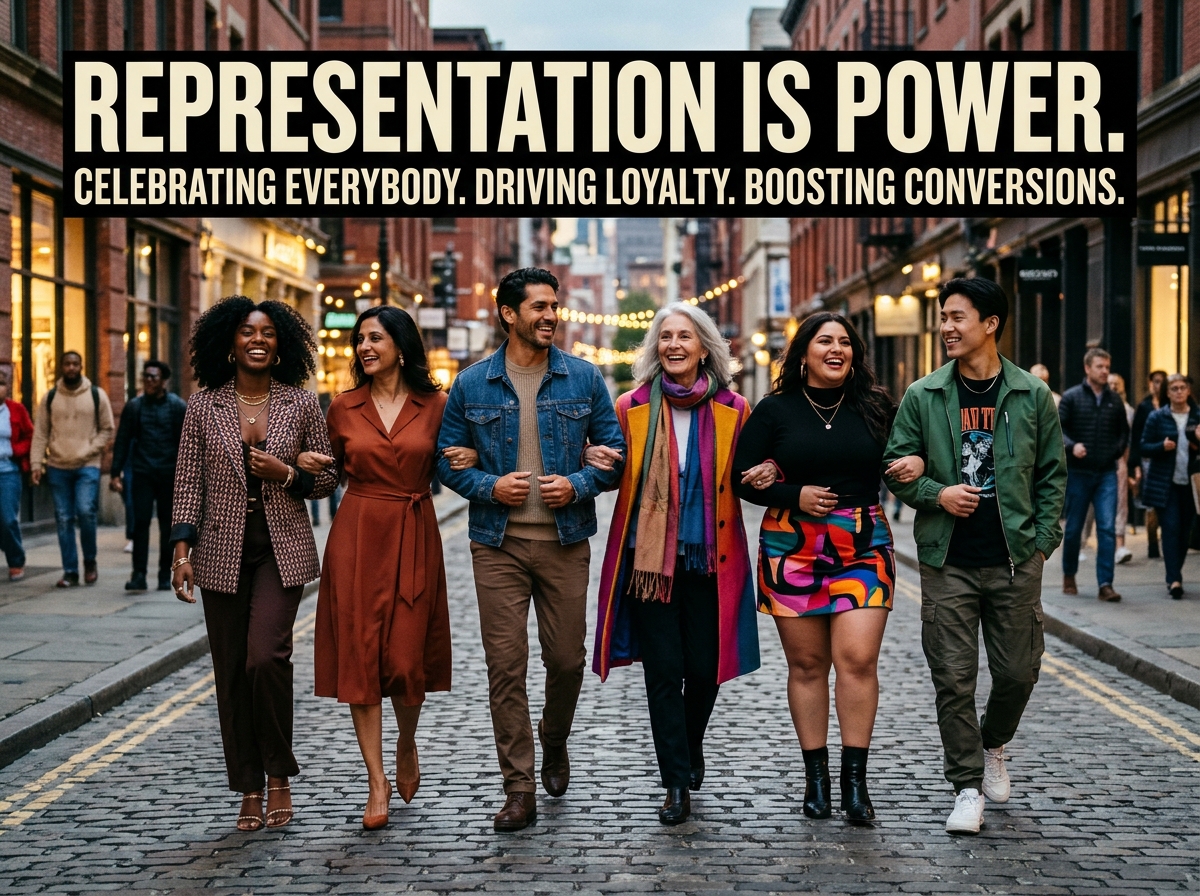
The impact of diverse models in advertising is quantifiable. According to a 2021 report from Kantar, 65% of consumers say it's important that the companies they buy from actively promote diversity and inclusion. When consumers feel seen and represented, they are more likely to develop a positive connection with the brand, leading to higher engagement and conversion rates. As PBS NewsHour noted in 2025, the conversation around AI models often intersects with diversity, with critics concerned that brands might use AI to create an "illusion of diversity" rather than engaging with real people from different communities.
Can EngageReel Help Optimize Model Choice and Creative Performance?
The debate between real, AI, and diverse models isn't about finding a single "best" option, but about understanding what works for your brand, for your audience, and for each specific campaign. This is where creative intelligence becomes indispensable. EngageReel is an AI ad performance and creative platform for fashion eCommerce that connects your creative choices directly to performance metrics.
Instead of guessing which model type will perform best, EngageReel allows you to test different creative assets and measure their impact on ROAS, CPA, and conversions. The platform's creative-to-performance tagging lets you analyze results at a granular level—attributing success to the specific model, hook, scene, and CTA. This data-driven feedback loop empowers you to move beyond assumptions and make informed decisions, ensuring that every model you feature is contributing to your bottom line. Learn more about how EngageReel can transform your creative strategy at engagereel.com.
Frequently asked questions
Do AI models perform better than real models in fashion ads?
Not necessarily. While AI models offer cost and scalability benefits, research indicates they can increase consumer skepticism and negatively impact brand perception, potentially lowering purchase intent. Real models, on average, improve ad performance by creating a more authentic and relatable connection with the audience.
What is the impact of diverse models on ad conversion rates?
Featuring diverse models generally has a positive impact on conversion rates. When consumers see themselves represented in advertising, they are more likely to connect with the brand and trust its products. A 2021 Kantar study found that 65% of consumers believe it's important for brands to promote diversity and inclusion.
How important is authenticity when choosing models for fashion advertising?
Authenticity is critically important. Consumers are increasingly drawn to brands they perceive as genuine and trustworthy. The choice of model plays a huge role in conveying authenticity, whether it's through the genuine emotion of a real model or a transparent and ethical approach to using AI or diverse representation.
Why is model diversity important in ads?
Model diversity is important because it allows a wider range of consumers to see themselves in a brand's story. This inclusivity fosters a stronger sense of belonging and brand loyalty, which can lead to increased market share and customer lifetime value. It also reflects a brand's commitment to modern values.
How do you choose the right model for a fashion ad?
The right model aligns with your brand's identity, resonates with your target audience, and helps achieve your campaign's performance goals. The best approach is data-driven: test different model types and creative concepts and use a platform like EngageReel to measure which choices deliver the highest ROAS and conversion rates.
References
- Confect.io — How effective are models in fashion ads (2022)
- Journal of Retailing and Consumer Services — AI vs. human models in fashion brand advertising (2026)
- PBS NewsHour — AI-generated models shake up the fashion industry and raise concerns (2025)
- Kantar — The power of inclusion and diversity in advertising (2021)
- Vogue Business — The Vogue Business case for AI-generated models