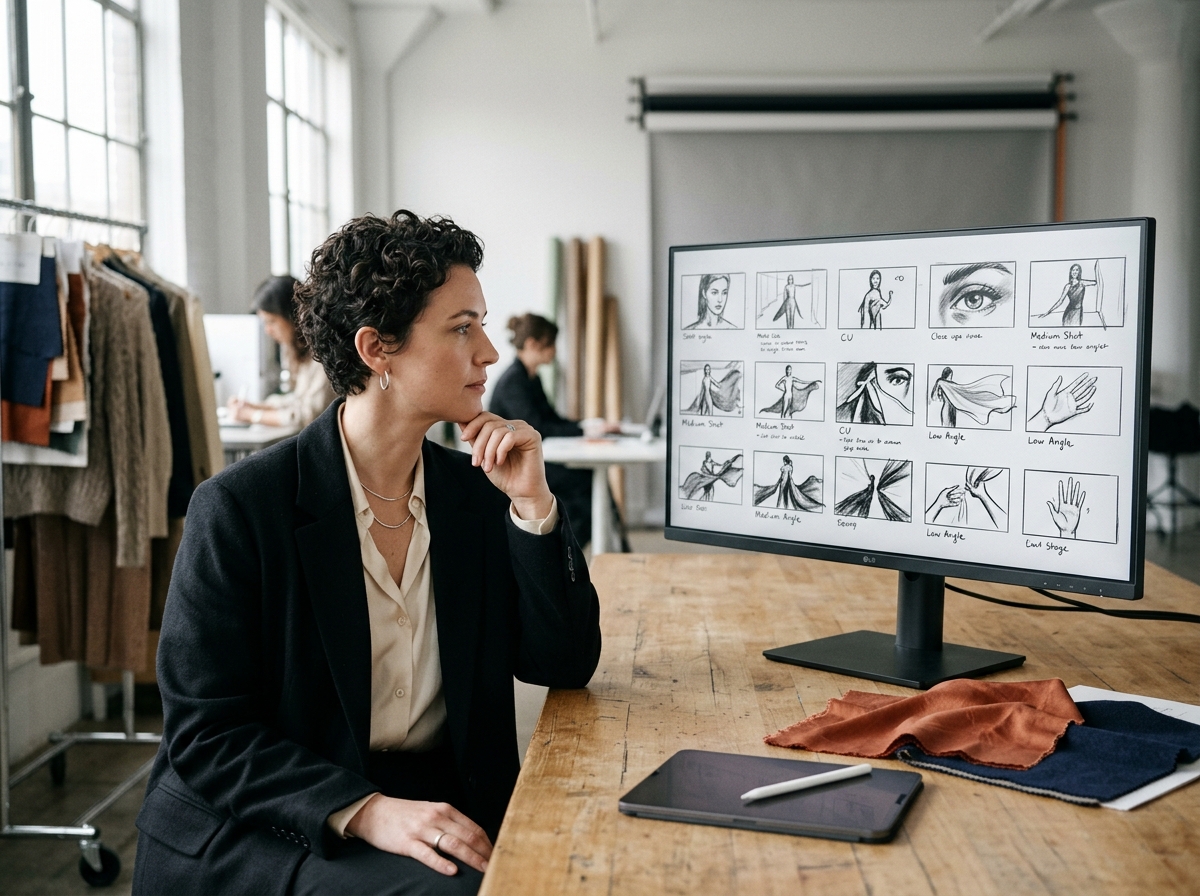
Fashion Video Ad Shot List: 10 Shots for Conversions
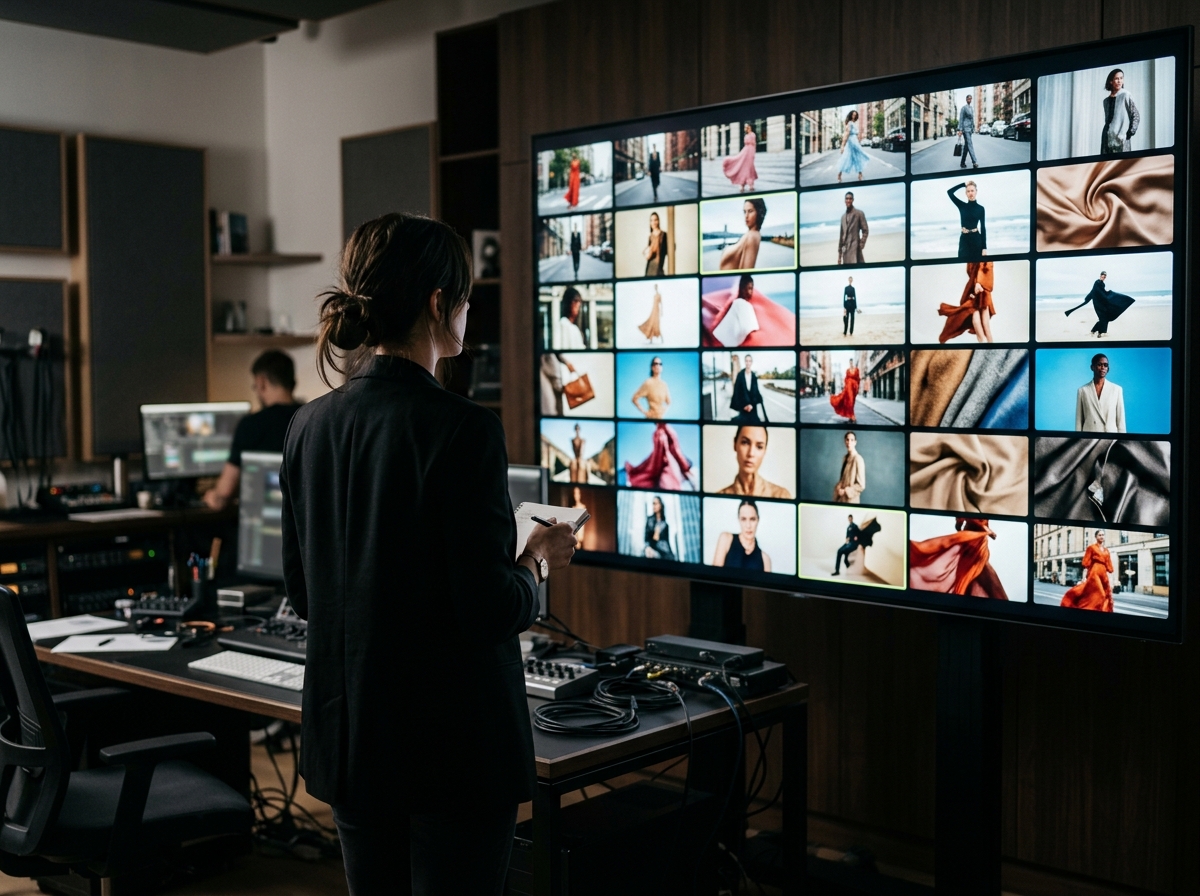
This article provides a detailed shot list for fashion video ads, focusing on specific visual elements that drive conversions. It's for creative strategists, designers, and video editors who want to create high-performing ad content.
- Understand why a strategic shot list is crucial for ad performance.
- Discover what makes a fashion video ad convert.
- Get a list of 10 essential shots for your next campaign.
- Learn how EngageReel helps automate creative production.
Your fashion video ads need more than a strong hook to convert. A strategic shot list is the blueprint for creating content that not only captures attention but also drives sales by effectively showcasing your garments.
Why a Strategic Shot List is So Crucial for Ad Performance
A well-planned shot list acts as a guide for your entire creative team, ensuring that every second of your video ad is purposeful. It translates your campaign goals into a tangible visual plan, aligning the brand's aesthetic with proven conversion tactics. Without a shot list, you risk a final product that is visually appealing but commercially ineffective, leading to wasted ad spend and missed opportunities. It forces a conversation about the ad's narrative and priorities before costly production begins, saving time and resources. This pre-planning is the difference between a reactive and a proactive creative process, moving from hopeful shots to a deliberate sequence designed to persuade. The upfront investment in planning pays dividends in both the quality of the final creative and the efficiency of the production process. A detailed shot list also mitigates the risk of on-set errors and ensures that all necessary footage is captured in a single session, which is particularly important when working with expensive locations, models, and equipment.
By defining your shots in advance, you can ensure a variety of angles and details are captured, providing your editors with the raw material needed to test different creative approaches. This is essential for combating creative fatigue, where ad performance declines as audiences see the same content repeatedly. According to Meta for Business (2024), refreshing creative is a key lever for maintaining campaign performance. A diverse shot list allows for numerous ad variations from a single shoot, extending the life of your creative assets and improving ROAS. It also allows for platform-specific edits, tailoring content for the unique audiences on TikTok, Instagram, and YouTube without requiring entirely separate shoots, maximizing the ROI of a single production day. This strategic asset creation is the hallmark of a mature creative operation. Furthermore, having a repository of pre-planned shots allows for rapid response to new trends or marketing opportunities, as the foundational visual assets are already available and can be quickly repurposed.
What Visual Elements Truly Drive Conversions in Fashion Ads?
A high-converting fashion video ad does more than just show a product; it tells a story and evokes a feeling that resonates with the target audience. It combines visual appeal with clear product information, answering the viewer's subconscious questions about fit, fabric, and feel. The most effective ads, as highlighted by consumer journey research from Think with Google (2022), create a connection with the viewer, making them imagine themselves wearing the garment in their own life. This connection is the bridge between passive viewing and active purchasing. It’s not just about seeing the dress; it’s about feeling the confidence of wearing it. This emotional resonance is what separates ads that are merely seen from ads that are acted upon. The narrative, however subtle, should align with the aspirations and values of the target demographic.
Conversion is driven by a combination of factors: the model's performance, the environment, the styling, and the camera work. A successful ad will highlight the unique selling propositions of the garment—be it the drape of the fabric, the detail of a seam, or the way it moves with the body. These tangible details build trust and desire, which are key drivers of purchase decisions. The goal is to make the digital shopping experience feel as close to an in-person one as possible, and video is the most powerful tool to achieve that. Viewers want to see the product in a realistic context, not just a sterile studio environment. This authenticity is what builds the final layer of trust needed for a customer to click "add to cart." An ad that feels like a genuine recommendation will always outperform one that feels like a sales pitch. The lighting, color grading, and music also play a crucial role in setting the mood and reinforcing the brand's identity.
10 Must-Have Shots for Your Next High-Converting Fashion Ad
Here are 10 shots to include in your next fashion video ad campaign to maximize conversions. This list provides a foundational structure that can be adapted to any brand or garment, serving as a checklist for your creative team to ensure all key visual information is captured. Integrating these shots will provide a comprehensive visual narrative for your product.
- The Full-Length Static Shot: A clear, well-lit shot of the model wearing the garment from head to toe. This establishes the overall look and fit, serving as the visual anchor for the ad. It’s the digital equivalent of seeing a piece on a mannequin, providing a crucial first impression. This shot should be clean and uncluttered, allowing the product to be the hero.
- The Walking Shot: The model walks towards or past the camera. This shows how the garment moves and drapes in action, a critical factor for online shoppers who can't physically interact with the product. It brings the garment to life and adds a dynamic element to the ad.
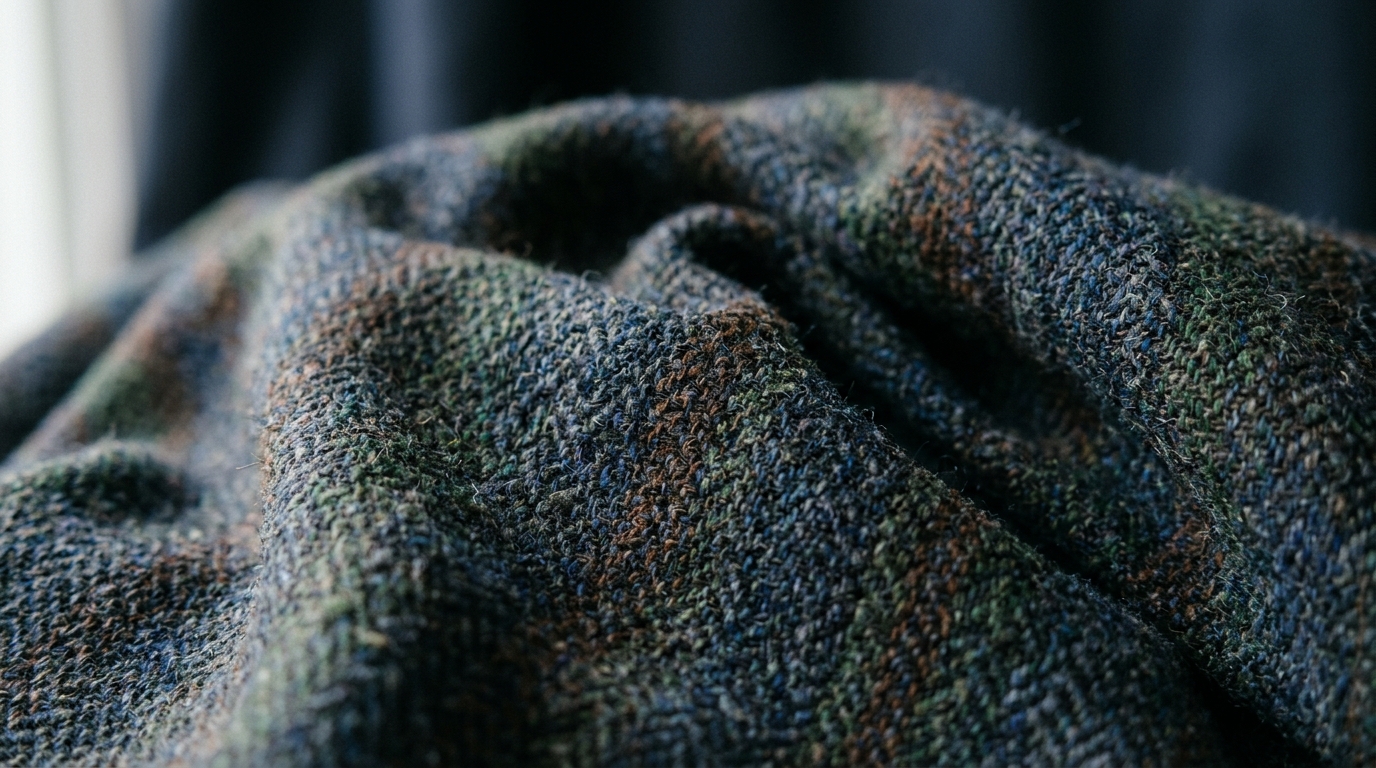
- The Detail Shot: A close-up of a key feature, such as a button, a seam, a collar, or the fabric's texture. This highlights craftsmanship and quality, justifying the price point and building trust in your brand's attention to detail. This can be a macro shot that reveals the intricate work that went into the garment.
- The Twirl/Movement Shot: The model twirls or makes a dynamic movement to showcase the garment's flow and shape. This is especially effective for dresses and skirts, adding a sense of freedom and elegance to the visual story, and making the ad more visually engaging.
- The Lifestyle Shot: The model interacts with an environment that reflects the brand's aesthetic, helping the viewer imagine wearing the item in their own life. This contextualizes the product beyond the studio, making it more relatable and aspirational. This could be a cafe, a park, or a stylish urban setting.
- The Product-in-Hand Shot: The model or a hand holds or interacts with the product, emphasizing its quality and texture in a tangible way. This can create a sensory experience for the viewer, making the product feel more real and desirable.
- The "How to Wear It" Shot: Quickly show the garment styled in multiple ways to demonstrate its versatility and value. This can triple the perceived utility of an item, making it a smarter purchase in the customer's mind. This can be done through quick cuts or a split-screen effect.
- The Fit Shot: A shot that focuses on how the garment fits a specific part of the body, like the waist or shoulders, addressing common online shopping concerns about sizing and silhouette. This reduces purchase anxiety and helps customers make a more informed decision.
- The Reaction Shot: A close-up of the model's face showing confidence or joy while wearing the product. This creates an emotional connection with the viewer, associating the garment with positive feelings and desired outcomes. This shot is about selling a feeling, not just a product.
- The Call-to-Action Shot: A final shot that clearly features the product, often with text overlay directing the viewer to "Shop Now," making the next step obvious and easy to take. This shot bridges the gap between interest and action, and should be visually strong and uncluttered.
Crafting a Platform-Specific Shot List for Maximum Impact
The ideal shot list varies depending on the platform's user expectations and ad formats. For TikTok and Instagram Reels, focus on dynamic, fast-paced shots that capture attention in the first three seconds. According to TikTok for Business (2024), sound-on, vertically-shot content performs best. Use a mix of close-ups, movement shots, and quick cuts to maintain viewer engagement in a fast-scrolling environment. For YouTube, you have more time to tell a story, so you can incorporate more lifestyle shots and slower, more cinematic movements that build a narrative around the product. Pre-roll ads here need to be especially engaging. Facebook ads often benefit from a clear product focus, so prioritize shots that highlight the garment's features and fit, as users on this platform are often in a more direct shopping mindset and appreciate clear, concise information. Remember to create versions of your ad in different aspect ratios to optimize for each platform's various placements, such as stories, feeds, and in-stream.
| Platform | Recommended Shot Types | Pacing |
|---|---|---|
| TikTok/Instagram Reels | Movement, Detail, Reaction, "How to Wear It" | Fast, dynamic cuts, sound-on, vertical video |
| YouTube | Lifestyle, Walking, Full-Length Static | Slower, more cinematic, storytelling, horizontal video |
| Full-Length Static, Fit, Detail, Product-in-Hand | Clear and product-focused, mobile-first, various aspect ratios |

How Can You Measure the True Impact of Your Ad Shots on ROAS?
To understand which shots are driving conversions, you need a system for creative-to-performance tagging. This involves tagging each scene in your video ads with attributes like the shot type, model, and background. By analyzing performance data, you can identify which visual elements are resonating with your audience and contributing to a higher return on ad spend (ROAS). This data-driven approach allows you to optimize future ad creative based on what's proven to work, rather than relying on guesswork. As Sprout Social's 2024 research confirms, video content is a significant driver of purchases, making its optimization critical for any fashion brand's success. This feedback loop is what separates high-growth brands from the rest. Without this data, you're essentially flying blind, unable to replicate your successes or avoid repeating your failures. Implementing a rigorous testing methodology, such as A/B testing different shot combinations, is essential for gathering actionable insights.
Integrating EngageReel into Your Creative Workflow
EngageReel is an AI ad performance and creative platform for fashion ecommerce. Our Content Engine helps you turn your product imagery into high-performing video ads by learning from your best-converting creative. We analyze what works—from hooks to shot types—and help you produce more of it, taking the guesswork out of creative production. This allows your team to focus on high-level strategy rather than manual editing, and to scale your creative output without a linear increase in resources. To learn more about how EngageReel can help you scale your ad creative, visit engagereel.com.
Frequently asked questions
How long should a fashion video ad be?
For social media platforms like TikTok and Instagram, aim for 15-30 seconds. On YouTube, you can test longer formats of up to 60 seconds, but always lead with your most compelling shots in the first 5-10 seconds to capture attention before the skip button appears. Brevity is key on most platforms.
What are the best camera angles for clothing ads?
A mix of eye-level, low-angle, and high-angle shots can create visual interest. Low angles can make the model and garment appear more powerful and heroic, while high angles can provide a unique, sometimes more intimate, perspective on the product's details. Eye-level shots are great for creating a direct connection with the viewer.
How do I show fabric texture in a video ad?
Use macro or close-up lenses with soft, diffused lighting to highlight the weave and texture of the fabric. Slow, panning shots across the material can also be very effective. The goal is to create a haptic sense for the viewer, making them feel like they can almost touch the material.
Should fashion video ads use models or flat lays?
While flat lays can be useful for showing product details in a clean, straightforward way, on-model video consistently outperforms them for driving conversions. Models demonstrate fit, movement, and context in a way that flat lays cannot, helping shoppers to visualize themselves in the garment. This is supported by findings that user-generated content, which is inherently on-model, can increase conversion rates. (Source: "The Power of UGC in E-commerce," BigCommerce, 2023)
What is the most important shot in a fashion video ad?
While all shots are important, the opening shot (the "hook") is the most critical for capturing viewer attention. This should be visually arresting and immediately communicate the value or aesthetic of the product. If you don't grab their attention in the first 1-2 seconds, they will scroll past. The hook is everything.
References
- BigCommerce – The Power of UGC in E-commerce (2023)
- TikTok for Business – Creative Best Practices for Fashion & Apparel (2024)
- Meta for Business – Video Ad Creative Best Practices (2024)
- Think with Google – The YouTube Fashion Buyer's Journey (2022)
- Sprout Social – Video Marketing Statistics for 2024 (2024)