
Why Did Meta Ads CPA Double Overnight? 5 Steps to Fix It
When a direct-to-consumer (DTC) media buyer logs into Meta Ads Manager and discovers that Cost Per Acquisition (CPA) has doubled overnight—despite zero changes to budget, targeting, or creative—panic often triggers immediate action. Pausing ad sets, duplicating campaigns, or slashing budgets seems like a safe defense against burning cash. However, making knee-jerk edits when meta ads cpa spike overnight occurs almost always destroys the algorithm's learning phase and accelerates delivery issues.
An overnight doubling of your cost per purchase is rarely caused by your ad creative suddenly turning stale in 24 hours. Instead, sudden spikes point directly to tracking signal failures, macroeconomic auction competition, or landing page friction. This guide outlines a rigorous 5-step diagnostic framework for performance marketers, media buyers, and growth leaders to isolate the root cause and restore profitable ROAS.
Why Did Your Meta Ads CPA Double Overnight? The 4 Core Root Causes
When why did cost per purchase double facebook ads becomes the urgent question of the morning, structured troubleshooting must replace emotional reactions. Meta Ads Manager relies on probabilistic attribution, real-time auction dynamics, and conversion event signals. When CPA jumps 100% or more overnight, it typically maps to one of four core root causes:
First, tracking signal disruption—such as a Conversions API (CAPI) disconnection or pixel error—can cause Meta to under-report conversions while continuing to spend, artificially inflating reported CPA. Second, auction volatility driven by seasonal advertiser influxes or major retail events can spike your CPM by 50% without any change in ad performance. Third, sudden post-click friction on your website, such as a payment gateway failure or a broken checkout button, will immediately tank your conversion rate (CVR). Fourth, extreme audience saturation or frequency fatigue in narrow ad sets can cause CTR to plummet and CPA to soar.
Is It a Data Glitch or Real Cash Loss? Comparing Meta Attribution to Shopify Backend Sales
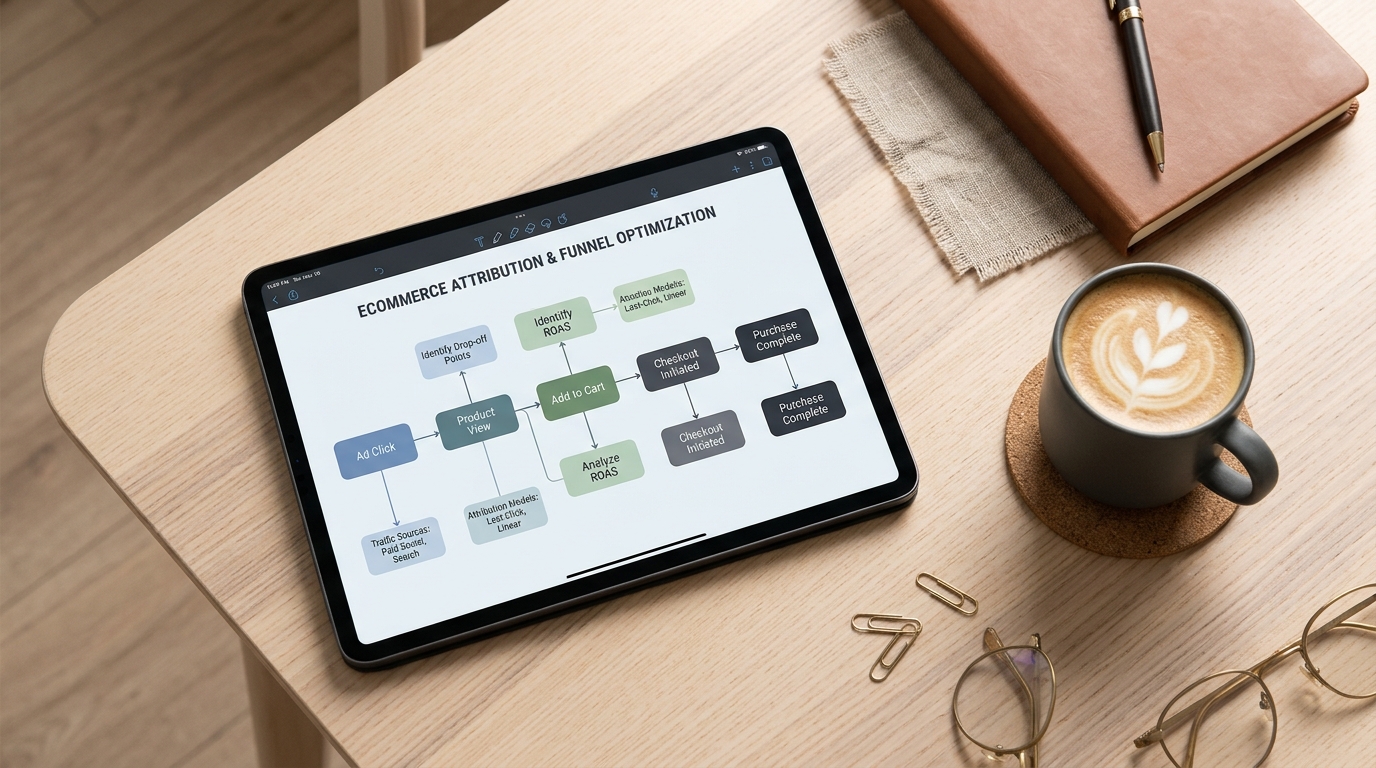
The very first step when investigating how to diagnose sudden cpa increase meta ads is separating reporting artifacts from actual cash flow depletion. Meta's default attribution window (7-day click, 1-day view) often models delayed conversions or misattributes sales following iOS privacy changes. If your Meta dashboard shows a doubled CPA, open your Shopify, WooCommerce, or custom ecommerce backend immediately.
Check your total daily store revenue, order volume, and blended CAC for the past 48 hours compared to your 30-day moving average. If your Shopify revenue and blended store orders remain stable while Meta Ads Manager reports a massive CPA spike, you are facing an attribution lag or CAPI event deduplication failure rather than a true drop in customer demand. Do not touch your campaigns if backend sales are healthy; instead, audit your Meta Pixel and Conversions API event payloads.
The Diagnostic Order: How to Isolate CPM, CTR, and CVR Breakdowns
If backend sales have genuinely dropped alongside rising ad costs, you must execute a strict top-down metric breakdown to locate where the funnel broke. Formulaically, CPA is a function of Cost Per Mille (CPM), Click-Through Rate (CTR), and Conversion Rate (CVR). Isolate these three variables in Ads Manager using custom columns:
- Check CPM: Did your cost per thousand impressions jump significantly? If yes, auction pressure or increased competition is driving up ad costs.
- Check Outbound CTR: Did your link click-through rate drop? If yes, your creative is suffering from fatigue or audience burnout.
- Check Landing Page CVR: Did traffic arrive as expected but add-to-cart or purchase rates collapsed? If yes, website friction is the culprit.
The following table outlines how to diagnose the exact root cause based on your metric movements:
| Metric Movement | Primary Bottleneck | Recommended Action |
|---|---|---|
| CPM +100%, CTR stable, CVR stable | Auction competition / Seasonal CPM surge | Shift spend to broad Advantage+ Shopping or broaden lookalikes |
| CPM stable, CTR -50%, CVR stable | Creative Fatigue | Launch fresh hooks and dynamic creative variations |
| CPM stable, CTR stable, CVR -60% | Landing Page / Checkout Friction | Audit payment gateways, mobile site speed, and above-the-fold offers |
| Meta CPA +100%, Shopify Sales Stable | Attribution / CAPI Signal Loss | Verify Conversions API health and event deduplication in Events Manager |

What to Do in Meta Ads Manager When CPA Spikes Overnight
When facebook ad cpa high all of a sudden panic sets in, media buyers are tempted to pause winning ad sets or duplicate campaigns. Doing so resets the machine learning phase and restarts the exploration window at higher costs. Instead, follow this disciplined protocol:
First, verify that no automated rules or budget adjustments were triggered at midnight. Second, check if any ad creative was recently disapproved or restricted. Third, if creative fatigue is diagnosed, introduce new variations into existing winning ad sets using dynamic creative rather than creating brand-new campaigns from scratch. Preserving historical delivery data ensures the algorithm retains its optimization momentum.
How EngageReel Automates Ad Diagnostics and Creative Refresh
Manually auditing CPM, CAPI signals, and creative fatigue across dozens of active Meta campaigns daily drains valuable hours from growth teams. EngageReel's Ad Engine and Content Engine provide an autonomous safety net for fashion and ecommerce brands. The platform continuously monitors real-time auction shifts, detects pixel and CAPI signal drops instantly, and tags creative performance down to the hook, model, and scene level.
When CPA jumps unexpectedly, EngageReel identifies whether the anomaly stems from auction pressure or creative burnout, then generates fresh, high-performing ad variations from your existing asset library. By automating both account diagnostics and creative iteration, growth teams maintain stable ROAS without guesswork or panic edits.

Frequently asked questions
Should I duplicate or pause campaigns when CPA doubles overnight?
No. Pausing or duplicating campaigns resets Meta's learning phase, wiping out optimization data and frequently causing CPAs to spike even higher. Always diagnose attribution and metric breakdowns first before touching active campaign budgets.
How long should I wait before editing a Meta campaign with high CPA?
Allow at least 48 to 72 hours of stable data before making major structural edits, unless you discover an obvious technical error such as a broken checkout link or a severe CAPI tracking drop.
Can a Conversions API (CAPI) drop cause Meta CPA to double overnight?
Yes. If your server-side event tracking disconnects or experiences deduplication errors, Meta stops receiving accurate purchase signals, causing reported CPA to appear artificially doubled while actual sales continue.
How do seasonal CPM spikes affect daily cost per purchase?
Seasonal retail events (such as Black Friday or quarter-end pushes) increase advertiser competition in the auction. When CPM rises without a corresponding increase in conversion rate, your cost per purchase automatically climbs.
What is the fastest way to test new ad creative without resetting learning phase?
Add new ad creatives directly into existing winning ad sets using Meta's dynamic creative or flexible ad formats, allowing the algorithm to test variations without triggering a full ad set relearning cycle.
References
- https://www.facebook.com/business/help/164749007015182
- https://developers.facebook.com/docs/marketing-apis/conversions-api/
- https://www.shopify.com/blog/conversion-rate-optimization
- https://engagereel.com/resources/articles/meta-ads-cpa-spikes-why-they-happen-and-how-to-fix-them
- https://performancemarketingassociation.com/insights/attribution-2026