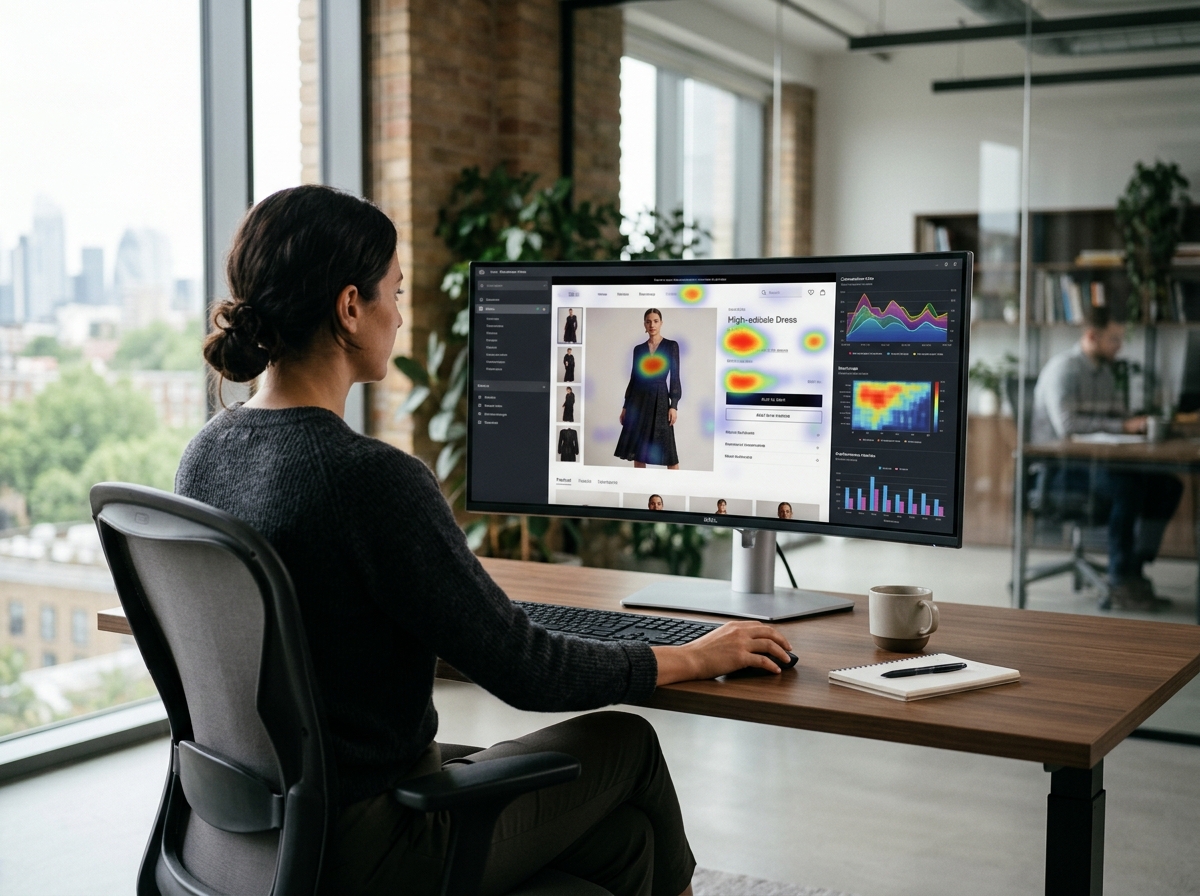
Product Page SEO: 6 Fixes That Move Rankings Fastest for Shopify and D2C Stores
Your product pages are where buying searches land. These six fixes are the quickest way to make them rank higher on Google—and get picked up in AI answers too.
- Craft title tags and H1s that match how people search
- Elevate descriptions beyond manufacturer copy
- Implement complete Product structured data
- Streamline product images for speed and relevance
- How EngageReel connects SEO to ad performance
How do you improve product page SEO? Start with six fixes: (1) a title tag and H1 that use the words buyers search, (2) a unique, helpful description instead of manufacturer copy, (3) Product structured data with price, availability, and reviews, (4) descriptive image file names and alt text, (5) internal links from collections and blogs, and (6) fast pages that pass Core Web Vitals on mobile. Getting these right is the difference between being found and being invisible in a crowded market.
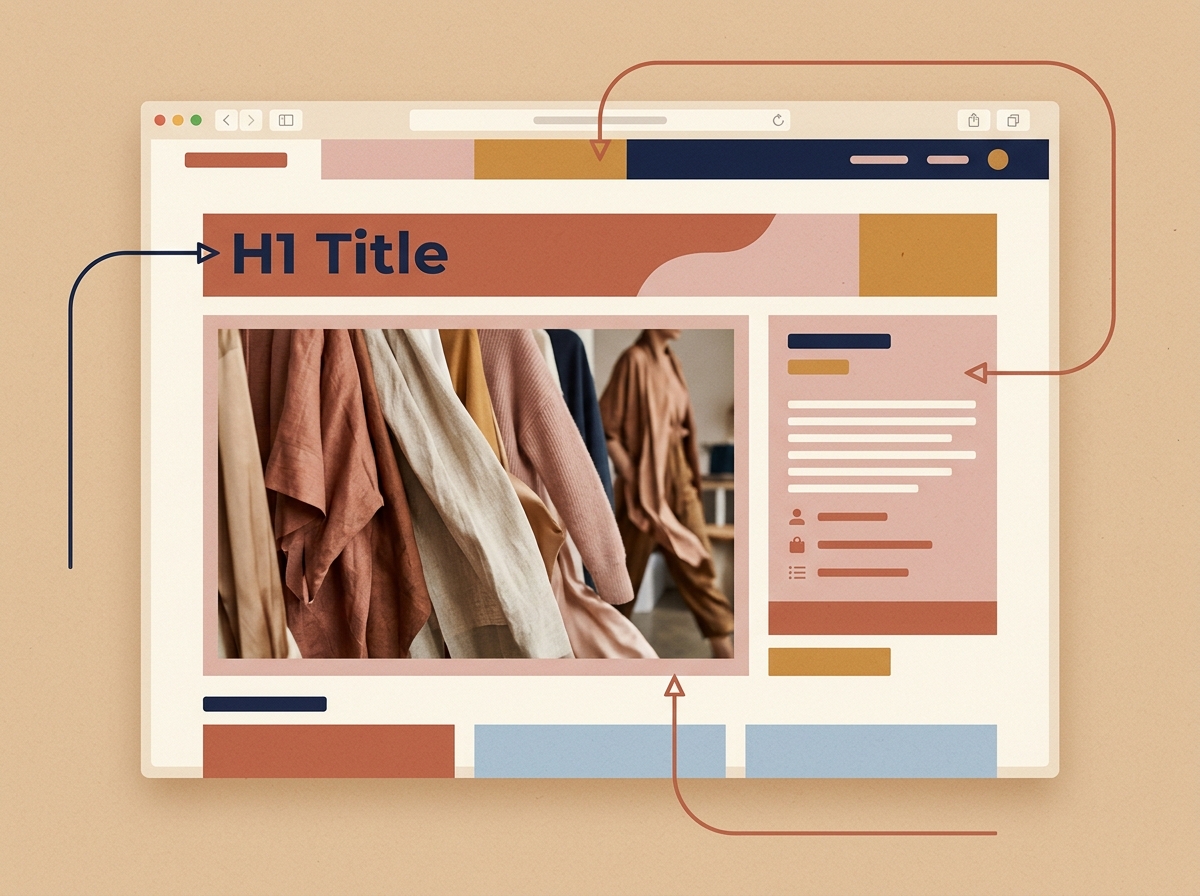
Why Your Title & H1 Must Match Search Intent
The title tag—the clickable blue line in Google results—and the H1 heading on the page must align with the exact words your customers use. This is the bedrock of product page SEO. When a potential buyer searches for a specific phrase like "men's black 100% cotton t-shirt," a page titled exactly that has a vastly higher chance of ranking and getting clicked than one vaguely named "Classic Tee." This alignment signals relevance to both search engines and users, directly impacting your visibility and traffic quality. Think of it as the digital equivalent of a clear, well-labeled storefront; it immediately tells visitors they are in the right place, reducing bounce rates and building trust from the first click.
A simple but effective formula is: Product Type + Key Attribute + Variant | Brand Name. For example, instead of a generic "Classic Tee," a stronger title is "Men's Oversized Cotton T-Shirt, 240 GSM, Black | YourBrand." This level of detail directly matches long-tail searches from high-intent buyers, who are often closer to making a purchase. Keep titles around 50-60 characters to avoid truncation in search results. According to Backlinko (2026), this length is optimal for display in SERPs, ensuring your most important keywords are visible and your value proposition is clear at a glance.
Beyond Manufacturer Copy: Writing Unique Product Descriptions
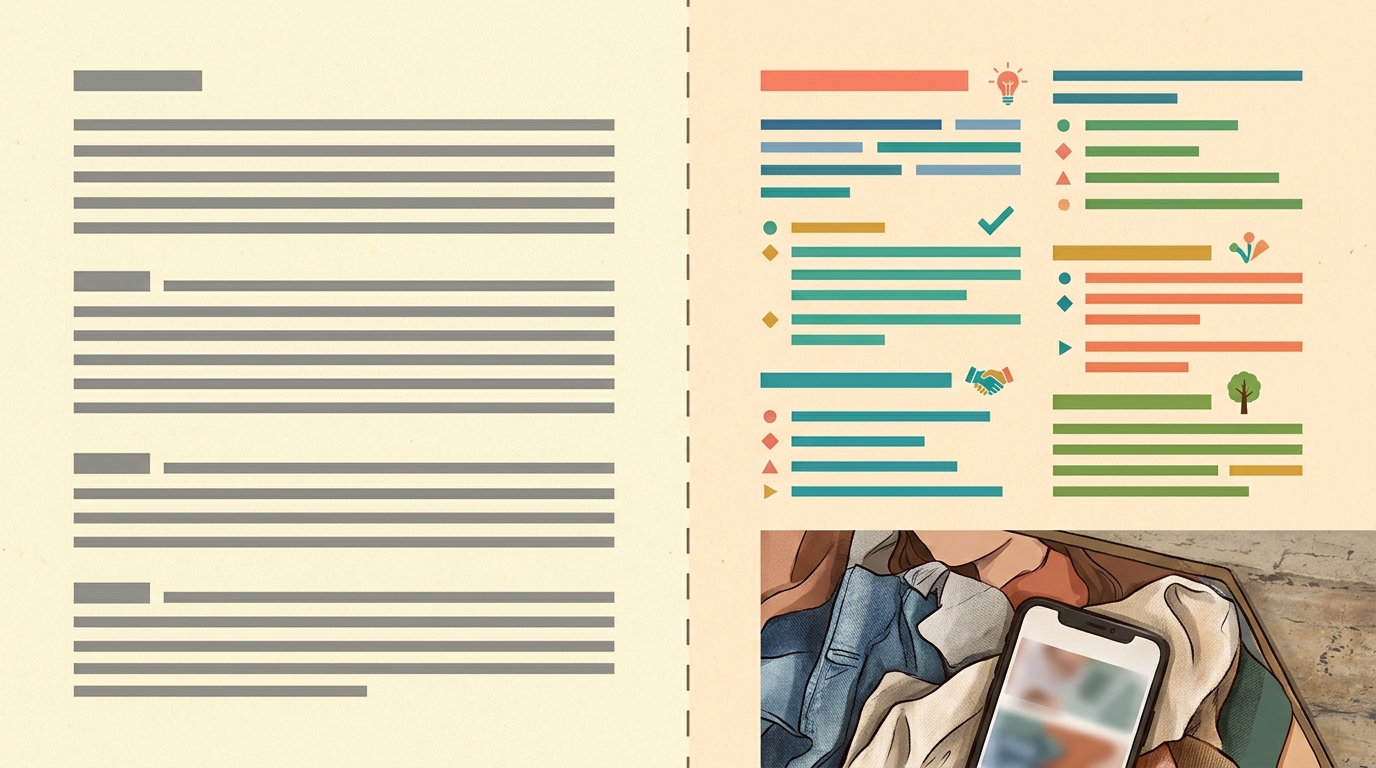
Using the same product description as every other retailer gives Google no reason to rank your page. Google's "helpful content" system explicitly rewards original, people-first content that demonstrates expertise and adds unique value. Your description must go far beyond the supplier's spec sheet. Think about what a customer standing in a physical store would want to know. They'd touch the fabric, check the seams, ask about care instructions, and imagine how it would fit into their life. Your online description needs to replicate that tactile, informative experience through words, images, and even video.
A strong description specifies who the product is for and the problem it solves. It includes concrete details like materials, dimensions, weight, and what's included in the box. Use bullet points to make key features scannable. Weave in sensory language that helps the shopper imagine the product in their hands. Answer common customer questions directly on the page—this content is invaluable for both users and search engines, often surfacing in "People Also Ask" boxes and AI Overviews. While AI tools can draft a starting point, the final copy must be enriched with your brand's unique voice, customer reviews, and user-generated content to create a truly differentiated and helpful page that stands out from the competition and converts browsers into buyers.
Are You Using Complete Product Schema Markup?
Structured data, or schema markup, is a vocabulary of tags that you can add to your HTML to improve the way search engines read and represent your page in SERPs. For product pages, including Product schema is non-negotiable. It makes your page eligible for rich results, such as price, availability, and review stars directly in the search results, which can significantly improve click-through rates. This markup is like a translator, speaking directly to search engines in a language they can process efficiently and reliably, leaving no room for ambiguity.
Key fields to include are name, image, description, brand, sku, and offers (with price, priceCurrency, and availability). Additionally, aggregateRating and review can display star ratings, which serve as powerful social proof right in the SERP. Don't overlook shippingDetails and hasMerchantReturnPolicy, as this information can appear in shopping results and influence buying decisions. Always validate your implementation with Google's Rich Results Test to ensure there are no errors and that you're eligible for all possible enhancements. Proper schema is a technical SEO task that pays significant dividends in visibility and user trust.
| Schema Property | Example Value | Impact on SERP |
|---|---|---|
| name | Men's Oversized Cotton T-Shirt | Product Title |
| image | https://.../tshirt.jpg | Image Thumbnail |
| offers.price | 25.00 | Price Display |
| offers.availability | InStock | Availability Status |
| aggregateRating.ratingValue | 4.8 | Star Rating |

What Makes Image Optimization a Top Priority?
Images are critical for fashion e-commerce, but they can also be the biggest drag on your page load speed. Slow pages frustrate users, increase bounce rates, and hurt rankings. Therefore, you must optimize them by using descriptive file names (e.g., mens-oversized-cotton-tshirt-black.webp instead of IMG_1234.jpg) and providing detailed alt text. Alt text not only helps with accessibility for visually impaired users but also provides crucial context to search engines, helping your images rank in Google Images search, a significant source of traffic for e-commerce sites.
Compress images and use modern formats like WebP or AVIF to ensure fast loading times without sacrificing quality. A user on a spotty 4G connection won't wait for a 5MB hero image to load. Furthermore, showcase multiple angles of your product, including in-context or lifestyle shots, close-ups of texture, and even 360-degree views. This not only aids SEO by providing more contextual information for search engines to index but also dramatically improves conversion rates by helping customers visualize the product in their own lives and make a more confident purchase decision.
Could Your Internal Linking Structure Be Stronger?
A product page that is orphaned—only accessible through site search—is difficult for Google to find, crawl, and value. Internal links act as a web, passing authority (or "link equity") and providing context throughout your site. Product pages should be logically linked from relevant collection pages, blog posts, buying guides, and "related products" sections. Each link is a vote of confidence in the importance of that page, signaling to search engines that it is a valuable destination.
Use descriptive, keyword-rich anchor text for these links. For example, "shop our men's oversized t-shirt" is much more effective than a generic "click here." Breadcrumbs are also essential for both user experience and SEO. They provide a clear path for users to navigate your site and help search engines understand the page's place in your overall site hierarchy, reinforcing its topical relevance and making your site structure more coherent and crawlable.
How to Pass Core Web Vitals on Mobile
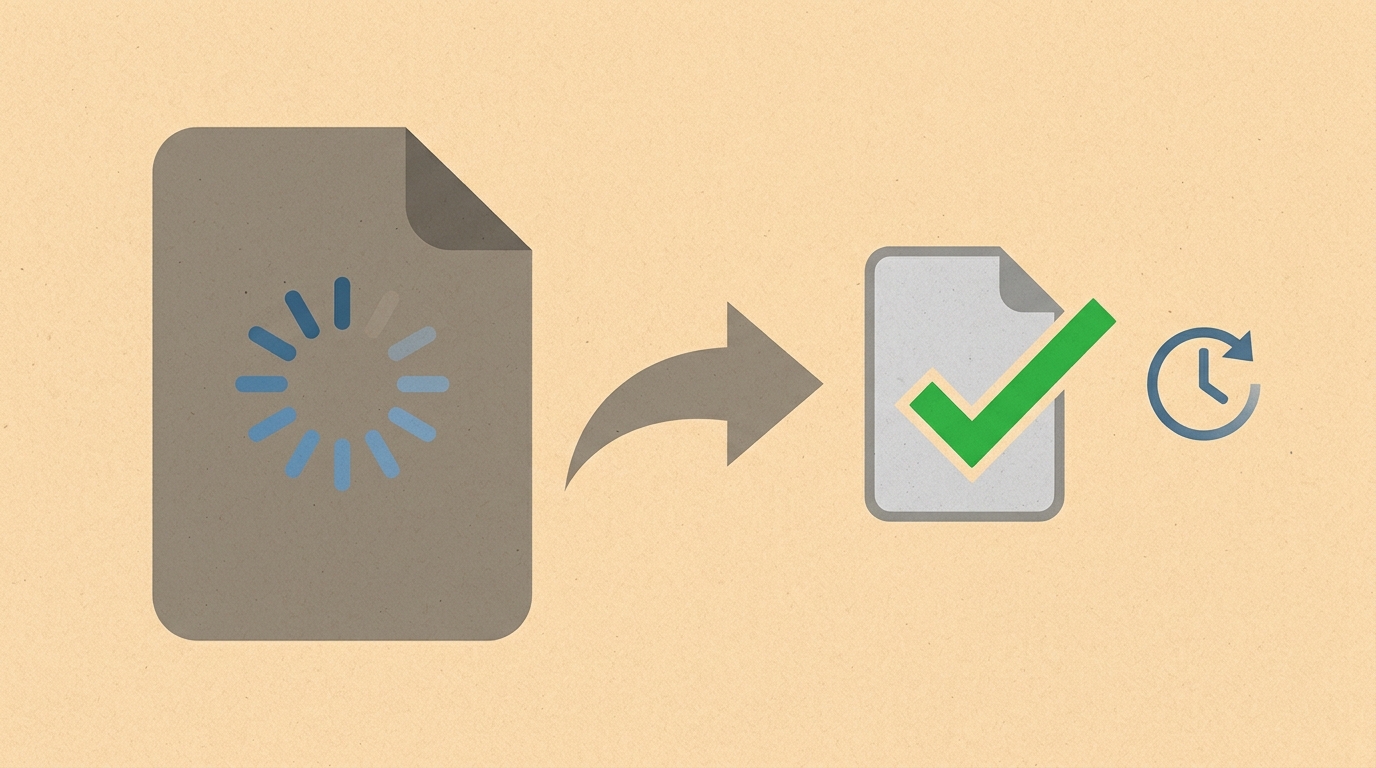
Google uses Core Web Vitals to measure the real-world user experience of a page, and it's a confirmed ranking factor. With the majority of e-commerce traffic coming from mobile devices, a fast and stable mobile experience is crucial. The key metrics are Largest Contentful Paint (LCP), which measures loading performance; Interaction to Next Paint (INP), which measures interactivity; and Cumulative Layout Shift (CLS), which measures visual stability. Failing these can directly harm your rankings.
To improve your scores, conduct a performance audit using Google's PageSpeed Insights. This tool will give you specific recommendations. Common fixes include removing unused apps and third-party scripts that bloat your page, compressing images (especially the main product image which is often the LCP element), and leveraging browser caching. It's also vital to reserve space for dynamic content like banners and review widgets to prevent the layout from jumping around as it loads (which improves CLS). A good user experience is a powerful ranking signal that leads to happier customers and better search visibility.
Connecting SEO to Ad Performance with EngageReel
While these on-page SEO fixes are foundational for attracting organic traffic, sustained growth in fashion e-commerce comes from turning that traffic—and your paid traffic—into revenue efficiently. A well-optimized product page is a high-converting landing page for your ads. EngageReel is an AI ad performance and creative platform for fashion eCommerce that watches every creative, learns what converts, and optimizes spend across Meta, Google, and TikTok. By understanding which creative elements, hooks, and angles drive sales, EngageReel helps you create more of what works, ensuring your ad spend on beautifully optimized product pages delivers maximum ROAS. Learn more at EngageReel.com.
Frequently asked questions
How long does product page SEO take to show results?
The timeline for seeing SEO results can vary. Simple changes like optimizing title tags can impact click-through rates within days of Google recrawling your page. However, more significant ranking improvements typically take several weeks to a few months, depending on your site's overall authority, the competitiveness of your target keywords, and how quickly you implement changes. SEO is a long-term investment, not an overnight fix.
Should every product page have a unique description?
Absolutely. This is one of the most critical aspects of product page SEO. Copying manufacturer descriptions creates duplicate content issues and gives Google no compelling reason to rank your page over potentially dozens or hundreds of other sites with the exact same text. Unique descriptions that add value by answering customer questions, highlighting unique benefits, and showcasing your brand's personality are essential for both SEO and conversion.
Does Shopify handle product page SEO automatically?
Shopify provides a solid technical SEO foundation with features like automatically generated canonical URLs, sitemaps, and basic schema markup in most modern themes. However, it does not handle the on-page content optimization for you. You are still responsible for the most critical elements: conducting keyword research, writing optimized titles and meta descriptions, creating unique and valuable product descriptions, and providing descriptive image alt text.
Do meta descriptions affect Google rankings?
While meta descriptions are not a direct ranking factor that Google's algorithm uses to position your page, a well-written one can significantly improve your click-through rate (CTR) from search results. A higher CTR is a strong positive signal to Google that your page is a good match for the query, which can indirectly influence rankings over time. Think of it as your ad copy in the organic results.
How do product pages show up in AI Overviews?
Google's guidance for AI Overviews and other generative AI features in search suggests that the same SEO best practices apply. There's no special "AEO" trick. Clear, factual content, well-structured headings that ask and answer questions, and accurate, complete structured data (like Product schema) make it easier for AI systems to understand your content and feature your product information in generated answers. Answer questions directly and provide data clearly and concisely.