
How to Improve ROAS in Online Fashion Advertising

Fashion brands are seeing declining returns on ad spend due to rising CPMs, creative fatigue, and poor post-click experiences. This guide breaks down how performance marketing teams can restructure their campaigns, test creative efficiently, and optimize spend to restore profitability.
- Identify the leading causes of ROAS decay in apparel campaigns.
- Implement intent-based audience segmentation beyond generic demographics.
- Understand how return rates silently destroy platform profitability.
- Automate creative testing and spend allocation with EngageReel.
How do you improve ROAS in online fashion advertising when CPMs are rising and attention spans are shrinking? The answer lies in replacing static strategies with aggressive creative testing and precision targeting. A campaign showing a 3x platform ROAS might actually be losing money after fulfillment and returns; fashion marketers must optimize for contribution margin by cycling creatives every 14 days and building airtight retargeting funnels.
Why creative fatigue destroys fashion ad margins
Fashion shoppers burn out on repetitive creatives faster than consumers in almost any other vertical. A declining click-through rate (CTR) coupled with rising CPMs is the earliest indicator that your audience has exhausted your current visual assets. Most apparel brands wait until ROAS drops before reacting, sacrificing thousands of dollars in inefficient spend.
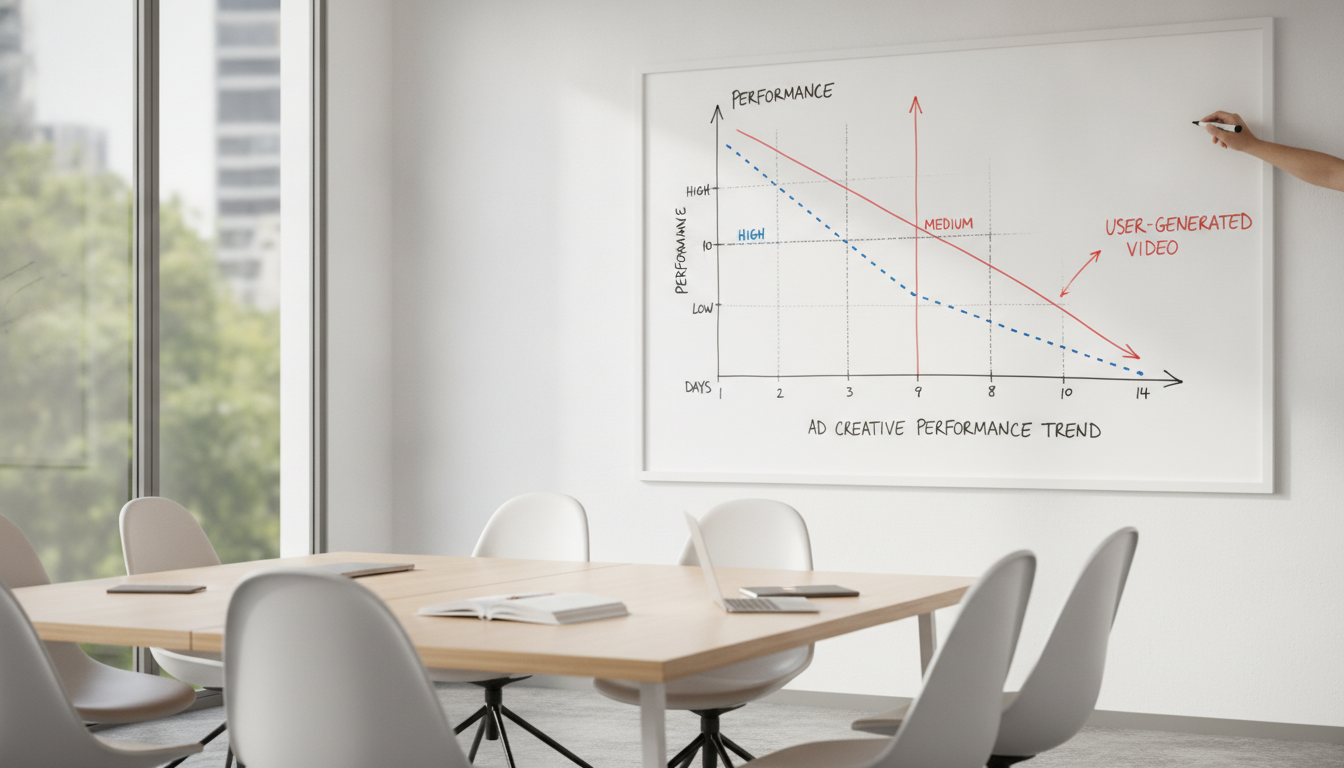
Industry benchmarks suggest that fashion brands must refresh visual assets every 10 to 21 days to combat ad fatigue. Shoppers expect dynamic, authentic storytelling—such as User-Generated Content (UGC) try-on hauls and fabric texture close-ups—rather than polished but static studio flat-lays. Brands that fail to maintain this creative velocity inevitably see their acquisition costs spiral.
| Creative Type | Average Lifespan | Best Used For |
|---|---|---|
| Static Flat-Lay | 7-10 Days | Retargeting (BOF) |
| UGC Try-On Video | 14-21 Days | Prospecting (TOF) |
| Dynamic Product Ads (DPA) | Ongoing (Algorithm driven) | Dynamic Retargeting |
How to structure intent-based audiences for apparel
Broad demographic targeting wastes budget on users who like fashion but have zero intent to purchase. To improve efficiency, performance teams must segment audiences into intent-based layers. Top-of-funnel (TOF) awareness campaigns should leverage lookalikes of the top 20% highest spenders, while bottom-of-funnel (BOF) efforts target users who added to cart within the last seven days.
Dynamic retargeting acts as the safety net for fashion e-commerce. Because shoppers typically browse multiple items across several days before deciding, implementing 1-day urgency messaging followed by 7-day social proof campaigns maximizes conversion rates. Furthermore, aggressively excluding recent purchasers and non-buying repeat visitors instantly reallocates budget away from dead impressions.
The hidden cost of high return rates on Meta ad performance
Platform ROAS is frequently an illusion. A Meta Ads Manager dashboard displaying a 4x return might represent break-even performance once shipping, discounts, and return rates are factored into the contribution margin. High return rates—often stemming from sizing confusion and inaccurate fabric depictions—silently destroy campaign profitability.
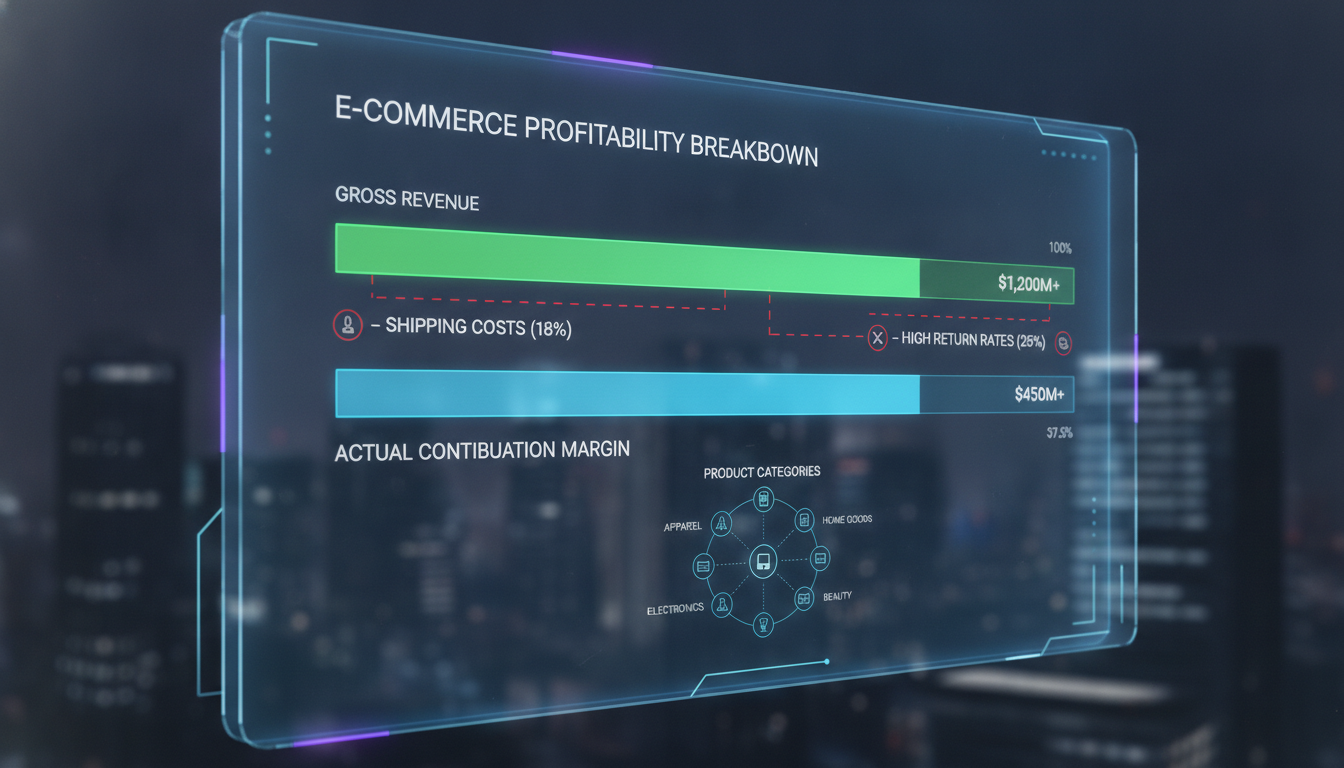
Marketers must align ad creative with highly optimized product detail pages (PDPs) that feature true-to-color photography and exact model measurements. When the post-click experience matches the ad's promise, return rates drop. Lower returns yield a higher contribution margin, which directly increases the actual profitability of the ad spend.
Deciding when to scale and pause fashion campaigns
Scaling ad spend blindly destroys ROAS. Teams need strict, data-backed signals before increasing budgets. A prospecting campaign is typically ready to scale when the CTR exceeds 1.2% and the ad-to-cart rate holds steady, provided the frequency remains under 2.5.
Conversely, if engagement metrics stall but CPMs rise, the campaign should be paused and refreshed. Using value-based bidding models—such as Target ROAS (tROAS) or Cost Cap with ROAS guardrails—allows ad platforms to bid specifically for high-value customers rather than chasing cheap, low-intent clicks.
EngageReel automates creative testing and spend allocation
Managing the velocity of creative testing required to maintain a 3x+ ROAS is a massive operational burden. EngageReel—an AI ad performance and creative platform for fashion eCommerce—watches every creative you run, learns exactly what converts, and optimizes Meta, Google, and TikTok spend 24/7.
Instead of manually pausing fatigued ads and guessing which new angle to launch, EngageReel generates the next batch of creatives based on proven performance data. It automatically shifts budget toward the highest-performing assets, ensuring your fashion brand maintains efficient acquisition costs without the manual daily grind.
References
- Shopify Enterprise — How to Improve ROAS in Online Fashion Advertising Campaigns (2026)
- Meta Business Insights — 5 Ways to Boost ROAS for Fashion & Beauty Advertising (2021)
- Deloitte Digital — ROAS: What it is, How to Calculate it, and Tips to Improve it (2025)
- McKinsey — How To Increase ROAS (2026)
- Baymard Institute — How to Increase ROAS in Meta Ads for a clothing brand (2026)