
Creative Fatigue: What Fashion Brands Lose by Waiting Until Friday
In this article
This article breaks down how creative fatigue impacts Meta ads for fashion eCommerce brands. It's for performance marketers and growth leads who need a systematic way to diagnose fatigue early, quantify its impact on ROAS, and deploy a creative testing framework that prevents weekend budget waste.
- Identify the 3 leading indicators of creative fatigue before Meta flags it.
- Calculate the real cost of letting a fatigued ad run for just two extra days.
- Use a 4-step framework for continuous creative testing and iteration.
- See how AI ad performance and creative tools automate this entire workflow.
How much does waiting until Friday to fix a tired ad creative really cost? For fashion brands spending on Meta, the answer is often thousands in wasted ad spend and lost revenue. Creative fatigue isn't just a worn-out image; it's a direct hit to ROAS that begins days before most teams notice. According to Meta's own documentation, by the time an ad is flagged for 'Creative fatigue', its cost-per-result may have already doubled.
Understanding the True Cost of Creative Fatigue
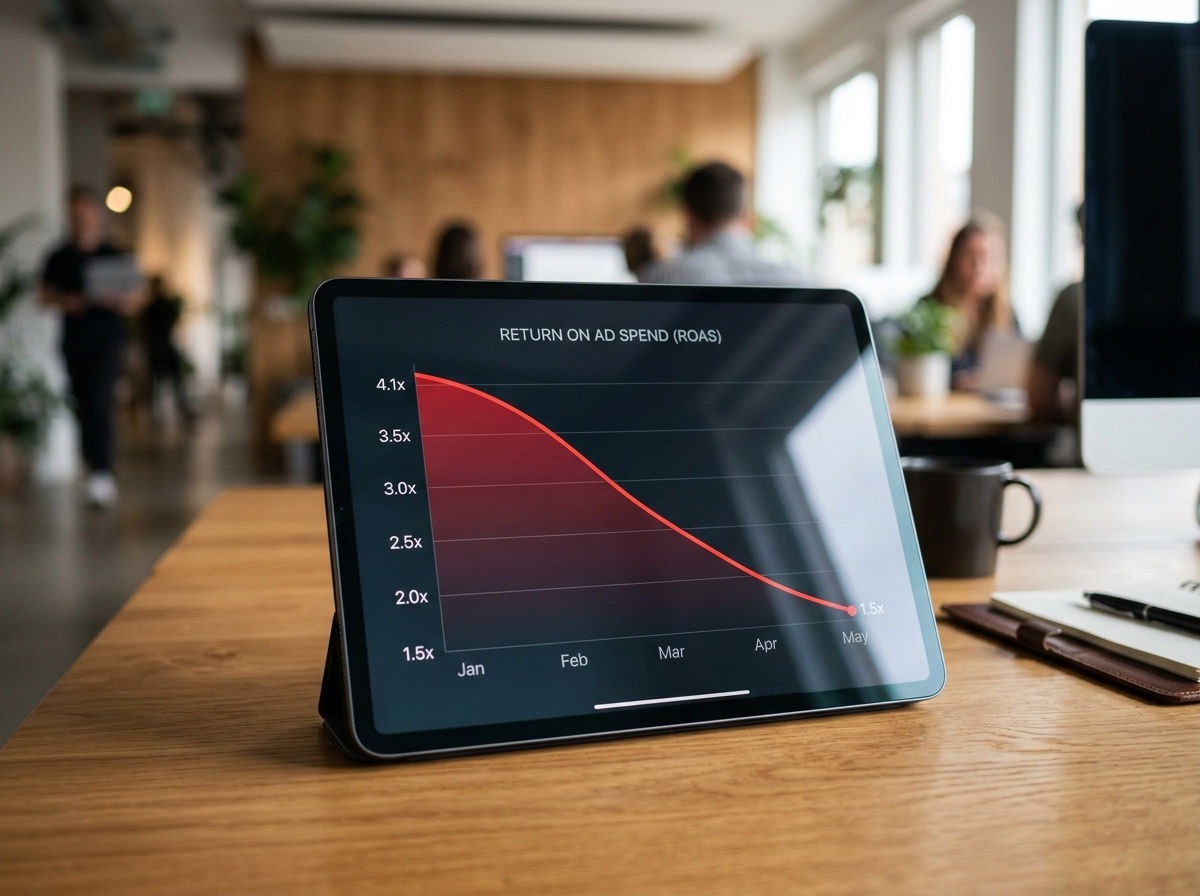
Creative fatigue is the measurable decline in ad performance when an audience sees the same creative too many times. For fashion, where trends and visuals are paramount, this decay happens fast. An ad that delivered a 4x ROAS on Monday can easily fall to 1.5x by Thursday. The core issue is that many teams only review ad performance on Fridays. That two-day delay—Wednesday to Thursday—is where the damage occurs. A campaign spending $5,000/day at a 1.5x ROAS instead of 4x is losing $12,500 in potential revenue daily. For two days, that's $25,000 in lost revenue from a single ad set.
Why Most Fashion Ad Workflows Catch Fatigue Too Late
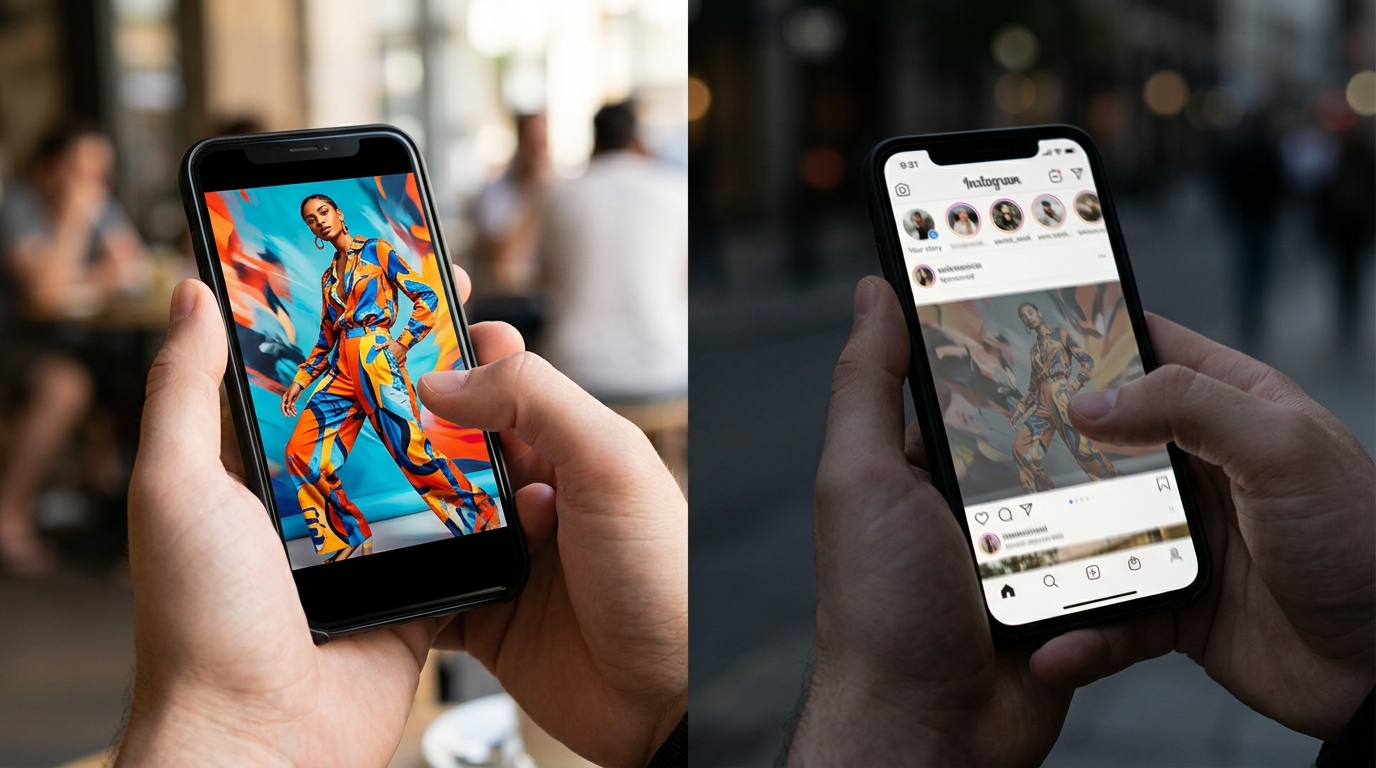
The standard agency or in-house workflow is built on weekly cycles. Creative approvals, campaign builds, and performance reviews all align to a Monday-to-Friday rhythm. This structure is logical for human resources but completely misaligned with the speed of ad auctions. An Advantage+ Shopping Campaign can expose a creative to hundreds of thousands of people in 48 hours. As Meta's Business Help Center notes, the system considers all recent exposures from your Page, not just one campaign. This means even a new campaign can suffer from fatigue if it uses elements the audience has already seen. Relying on weekly checks is like checking a smoke detector once a week—the fire has already done its damage by the time you notice.
Which Metrics Signal Fatigue Before the Platform Does?
Waiting for the "Creative fatigue" status in Ads Manager is a lagging indicator. Proactive teams monitor a basket of metrics that predict fatigue. The key is to look at the trend, not just the absolute numbers. A sudden change is more telling than a slow decline.
| Metric | Warning Threshold | What It Signals |
|---|---|---|
| Frequency | Rises above 2.5 in 72 hours (Top-of-Funnel) | The same users are seeing the ad repeatedly. |
| Click-Through Rate (CTR) | Drops by 25% or more from its peak | The ad is losing its stopping power in the feed. |
| Cost Per Outbound Click | Increases by 30% or more | You're paying more for the same, or less, attention. |
| Add to Cart Rate | Declines while CTR holds steady | The ad is still getting clicks, but they are lower quality. |
A 4-Step Playbook for Proactive Creative Refresh
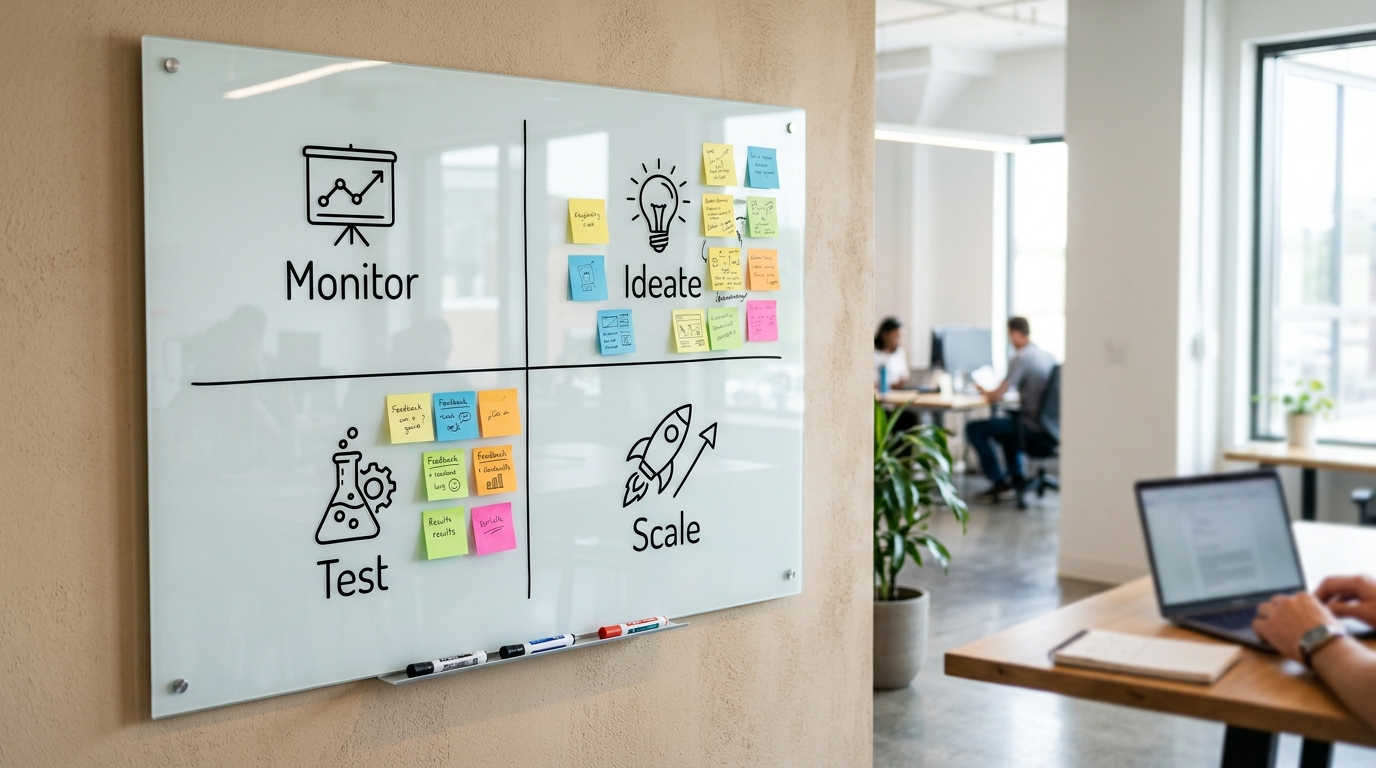
- Set Up Automated Rules: In Meta Ads Manager, create automated rules that notify you or pause an ad when the warning thresholds above are breached. For example: "If Frequency > 2.5 and Spend > $500 in the last 3 days, then send notification."
- Maintain a "Challenger" Ad: For every primary "champion" ad running, have a "challenger" ad in the same ad set with a small budget allocation (e.g., 10-15%). This challenger should test a different hook, angle, or format.
- Swap Creatives Mid-Week: When you receive a fatigue alert, don't just pause the tired ad. Duplicate the ad set and swap in the challenger creative, or a new variant from your backlog. Run it against the original for 48 hours.
- Analyze Winning Elements, Not Just Winning Ads: When a challenger outperforms the fatigued champion, don't just celebrate the win. Isolate why it won. Was it the hook? The model? The call-to-action? Use this insight to inform your next batch of creatives. This is the foundation of a scalable AI ad performance and creative for fashion eCommerce strategy.
How EngageReel Automates This Cycle
The playbook above is effective but manual. It requires constant monitoring and disciplined execution. EngageReel automates this entire process. The platform continuously monitors per-ad performance, identifies the drivers of conversion (like specific models, backgrounds, or copy hooks), and automatically generates new creative variants based on that data. It turns the reactive, manual process of fighting creative fatigue into a proactive, autonomous system for sustained performance.
Reviewing Performance After the Refresh
After swapping in a new creative, the goal isn't just to stop the bleeding; it's to reset performance to its previous peak. Track Return on Ad Spend (ROAS) and Cost Per Acquisition (CPA) over the first 72 hours. A successful refresh should bring your CPA back in line with the campaign's historical average. A truly great creative, informed by the learnings of the last, will establish a new, lower CPA baseline.
Frequently asked questions
What is creative fatigue in Meta ads?
Creative fatigue on Meta occurs when ad performance declines because the target audience has seen the same ad creative too many times. This leads to lower engagement (CTR) and higher costs (CPA, CPM), ultimately reducing the campaign's ROAS.
How quickly does creative fatigue happen with fashion ads?
For fast-moving fashion eCommerce, creative fatigue can set in within 3-5 days, especially with broader top-of-funnel audiences in Advantage+ campaigns. The high visual churn in fashion means audiences tire of ad creatives faster than in many other industries.
Does Advantage+ Shopping have the same creative fatigue issues?
Yes. While Advantage+ is powerful at finding audiences, it still relies on the underlying creative. If the creative is fatigued, the algorithm will struggle to find new pockets of converting users, and performance will decline just as it would in a manual campaign.
What’s the difference between ad fatigue and audience saturation?
Ad fatigue is about the creative itself being stale. Audience saturation is when you've shown ads to most of the available, relevant people in your target audience. You can fix ad fatigue with new creative; fixing audience saturation requires finding new audiences.
Is it better to have many different ads or a few strong ones?
It's best to have 3-5 "strong" creative concepts and then build dozens of variations (different hooks, copy, headlines, crops) around them. This approach, as detailed by platforms like Socioh, allows for systematic testing without constantly needing net-new concepts, managing fatigue effectively.
References
- Meta Business Help Center — About creative fatigue recommendations in Meta Ads Manager
- Atria — Meta Creative Fatigue: How to Diagnose and Fix It Fast (2026)
- Socioh — Facebook Ad Fatigue: The Cure For Your Declining Ad Performance
- Revealbot — How to Overcome Facebook Ad Fatigue with Automation (2025)
- Shopify Enterprise — 10 Fashion Ecommerce Trends Defining the Industry (2026)