Fashion Video Ad Structure: Sequence Scenes for Higher Conversions
Fashion brands often lose potential customers despite having high-quality creative assets. This article explores how to structure your video ad sequences, balance lifestyle and product scenes, and use a clear framework to maintain engagement and drive conversions.
- The critical scene sequence for driving fashion eCommerce conversions
- How to balance hook, lifestyle, product detail, and UGC scenes
- Best practices for structuring high-performing ad sequences
- Frameworks for testing creative elements to maximize ROAS
Fashion video ad structure determines whether your creative converts or just drains your budget. If you struggle to maintain viewer engagement past the initial hook, your sequence is likely missing the strategic flow required to lead consumers through product consideration. By optimizing how you arrange your ad scenes, you can significantly improve engagement and drive consistent conversions.
Why does a strong video ad structure drive fashion conversions?
Strong ad creative driving over 2% CTR is often sabotaged by poor conversion rates, as highlighted by DTC Fashion Decoded (2026). Without a deliberate structure, high traffic does not guarantee revenue. A clear ad sequence ensures viewers are guided seamlessly from interest to action. Effectively, the sequence functions as a digital shop window where product benefits must appear before consumer patience fades.

Key stages in a high-performing fashion video ad
Effective video ads follow the ABCDs framework: Attention, Branding, Connection, and Direction, as outlined by YouTube Ads (2026). This structure ensures that product benefits are communicated early while maintaining a viewer's interest until the call to action. By emphasizing branding alongside benefits, brands can build long-term recognition while securing short-term sales.
How to sequence your fashion video ad scenes for maximum ROAS
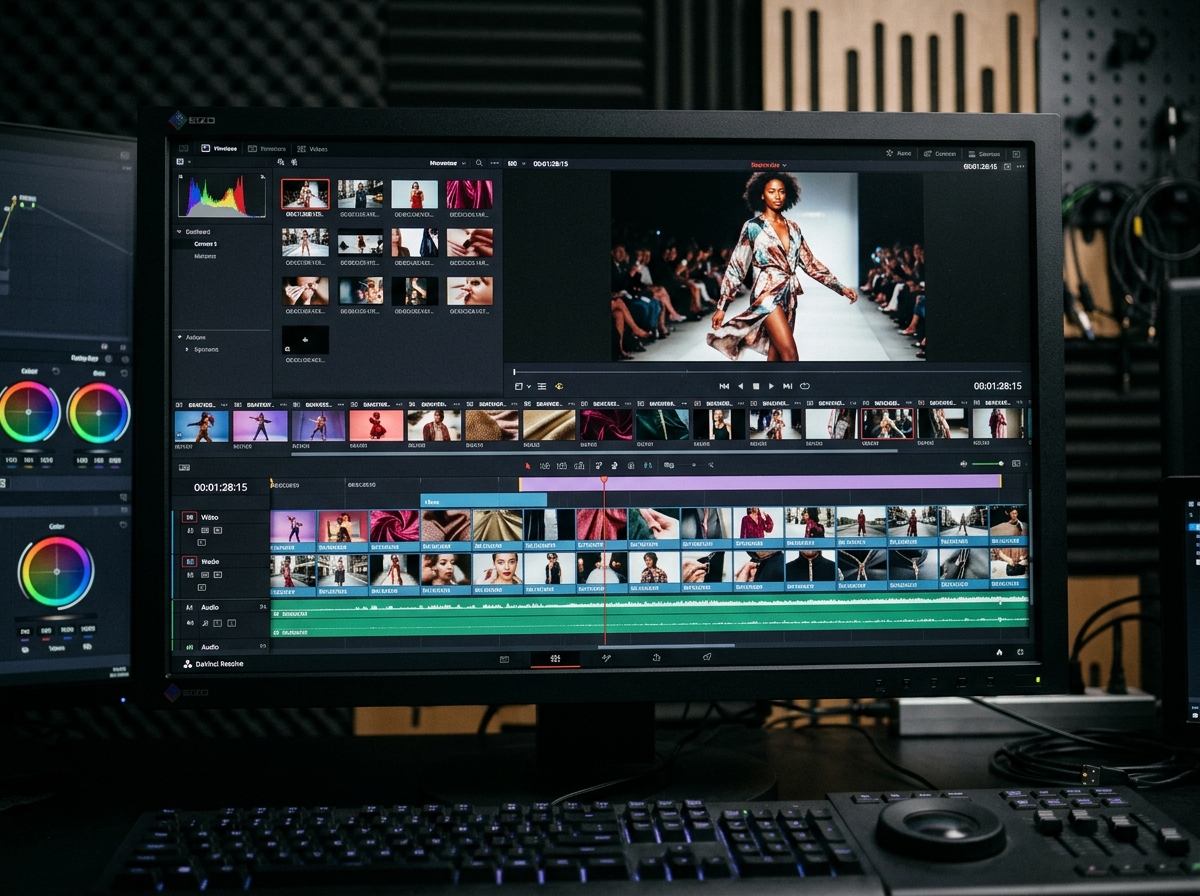
Sequencing involves mapping your creative assets to the funnel stage, focusing on product demonstration and offer clarity, according to Snappyit (2026). Use a silent rough cut to confirm the sequence communicates your brand value before adding music or effects. This step ensures that every visual transition serves the ultimate conversion goal.
| Goal | Weak Sequence | Strong Sequence |
|---|---|---|
| Product Consideration | Lifestyle heavy, vague | Hook + Detail + UGC + CTA |
| Conversion | Random asset order | Hook + Problem-Solving + Proof + CTA |
| Brand Storytelling | Long-form, no pacing | Fast-paced Hook + Story + Product + CTA |
Examples of effective structures for different goals
Align your video type with the viewer question: offer-led promos demonstrate why the customer should act now, while testimonial-led ads build trust during consideration (Snappyit, 2026). EngageReel provides AI ad performance and creative for fashion eCommerce by tagging creative assets to these specific ad structures to track performance.
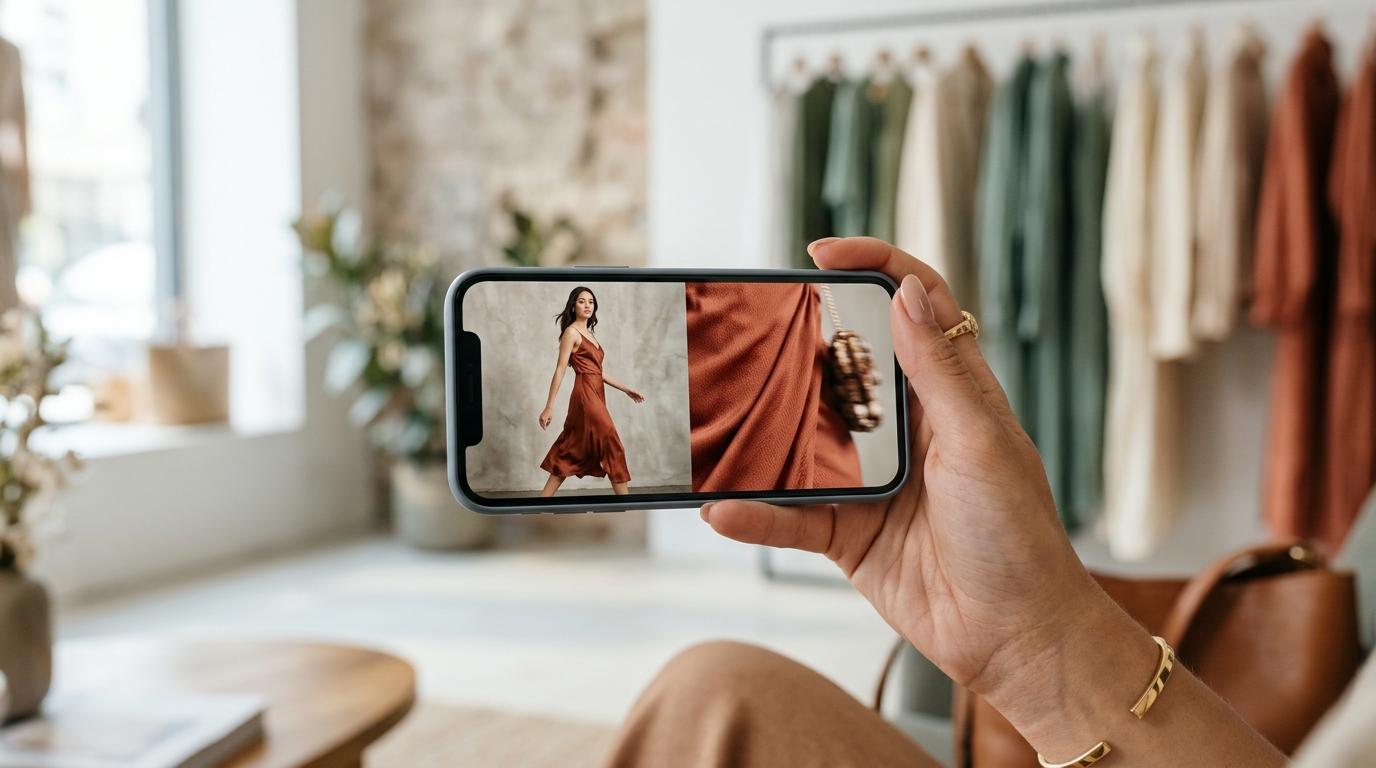
- Start with a high-energy hook that addresses the customer's specific problem.
- Transition quickly to product detail scenes that show fabric, movement, and fit.
- Integrate authentic UGC scenes to build immediate social proof.
- End with a direct, offer-driven call to action that states exactly what the user should do next.
Are common mistakes ruining your fashion video ad structure?
Common pitfalls include front-loading branding at the expense of interest, failing to show the product clearly early, and lacking a clear call to action. Ensure every scene adds information or emotion; if it does not, cut it during the rough-cut phase to keep pacing tight. According to industry patterns, ads that cut non-performing frames often see a 15% increase in retention (Snappyit, 2026).
Optimizing creative flow with EngageReel
EngageReel streamlines the entire fashion ad creative process by providing AI ad performance and creative for fashion eCommerce. By tagging creative assets—from models to specific ad scenes—to ROAS and conversion metrics, EngageReel helps brands rebuild successful ad structures using only their highest-performing creative components. This ensures that every fashion ad sequence is data-backed rather than relying on guesswork.
Frequently asked questions
How long should a fashion video ad be?
Ideally, fashion video ads should be between 15 and 30 seconds for optimal performance on Meta and TikTok platforms. Short, punchy sequences that deliver the message within the first few seconds maximize watch time and engagement.
Should I start with lifestyle or product in a fashion ad?
Start with lifestyle if your goal is emotional connection, but prioritize product close-ups if your goal is immediate conversion. Product demonstrations clarify benefits early, which [Snappyit (2026)](https://snappyit.ai/blog/fashion-video-workflow) notes is essential for the conversion funnel stage.
What is the AIDA model for fashion video ads?
AIDA stands for Attention, Interest, Desire, and Action. It's a foundational framework that helps marketers structure ad sequences to capture attention immediately, spark interest in the product, build desire, and compel action.
How do I incorporate UGC into my video ad structure?
Integrate UGC after the initial product hook to add credibility without slowing down the pacing. Use authentic customer clips that highlight fit or satisfaction to bridge the gap between product interest and final purchase decision.
How can I track which ad scenes perform best?
Use creative testing frameworks that tag individual assets—hooks, models, scenes, and CTAs—to ROAS and conversion metrics. By isolating elements, you can rebuild successful ad structures using only your highest-performing creative components.
Do I need separate ads for product and lifestyle?
Not necessarily. High-performing ads often blend lifestyle and product scenes in a single sequence. According to [Snappyit (2026)](https://snappyit.ai/blog/fashion-video-workflow), the key is sequencing these scenes to maintain the viewer's attention through the entire ad experience.